India’s Ultimate Car & Bike News Hub

January 2026

Kawasaki KLX 230 India
Bikes, News

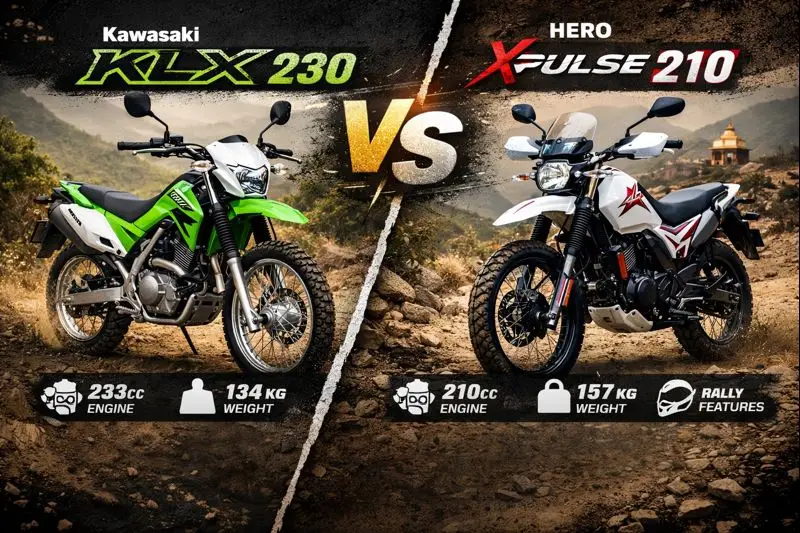
Kawasaki KLX 230 India Review & Comparison with Hero Xpulse 210

Introduction: Kawasaki KLX 230 Finally Lands in India The launch of the Kawasaki KLX 230 India has quietly created a lot of noise among Indian riders who actually ride beyond cafés and city limits. This is not a flashy launch, not a social-media-friendly machine, and definitely not a bike made just for spec-sheet flexing. The KLX 230 is old-school in its thinking — lightweight, simple, and focused on riding where roads don’t always exist. For Indian riders, this launch is important. The adventure and dual-sport segment in India is growing, but most bikes are either too heavy, too expensive to maintain, or simply overkill for our conditions. Not everyone wants a 200+ kg ADV with electronics that cost a fortune to fix once the warranty ends. and as per carfreaker this is exact place where this all new Kawasaki KLX 230 enters the scene. It sits in a sweet spot for riders who want something reliable, capable on bad roads and trails, and still usable on a daily basis. Naturally, the first comparison that comes to mind is the Hero Xpulse 210, a bike that has already built massive trust among Indian buyers. At Carfreaker, we see this not as a Kawasaki vs Hero brand fight, but as a clash of philosophies — Japanese minimalism versus Indian practicality. Kawasaki KLX 230 – Detailed Overview Engine & Performance on Indian Roads The Kawasaki KLX 230 India comes with a 233cc air-cooled, single-cylinder engine. On paper, the numbers won’t excite Instagram riders, but real riders know better. This engine is tuned for smooth, usable torque rather than outright speed. In city traffic, the bike feels calm and predictable. The throttle response is clean, there’s no sudden jerk, and heat management is decent for Indian summers. You won’t feel stressed riding this in bumper-to-bumper traffic, which is a big plus. On highways, don’t expect triple-digit cruising like a Duke or RC. This bike is happiest between 80–95 km/h. Push beyond that, and you’ll feel the engine working hard. But honestly, that’s not what this bike is meant for. Where it shines is broken roads, gravel, mud, and trails. The low-end torque makes climbing bad village roads and off-road sections effortless. Ride Quality: City, Village Roads & Trails This is where the KLX 230 truly earns respect. City roads:The tall stance might feel intimidating initially, but once you’re moving, the bike feels light and balanced. Speed breakers, potholes, and broken patches are handled without drama. Village and bad roads:Indian village roads are unpredictable — stones, mud, uneven surfaces. The KLX 230 feels completely at home here. The long-travel suspension absorbs punishment silently. Trails and off-road:This is proper off-road DNA. Standing riding position feels natural, the bike responds well to body movements, and traction is confidence-inspiring even for amateur trail riders. Mileage Expectations in India Realistically, Indian riders can expect around 35–38 kmpl in mixed riding conditions. If ridden gently, you might stretch it a bit more. Considering the segment and purpose, this is acceptable. Build Quality & Kawasaki Brand Value Kawasaki’s build quality is solid. Panels fit well, the paint finish is premium, and nothing feels cheap. It’s built to last, not impress showroom visitors. That said, Kawasaki ownership in India comes with its own realities — limited service centres and slightly expensive spares. At Carfreaker, we always tell readers to consider service access before falling in love with the badge. Who Should Buy the Kawasaki KLX 230 in India? This bike is for riders who: Hero Xpulse 210 – Brief Overview The Xpulse is no longer a newcomer. Hero cracked the Indian adventure bike formula early by offering affordability, practicality, and nationwide service support. The Xpulse 210 builds on the strong foundation of the 200 but brings improved refinement, better power delivery, and updated components. Why Indian riders trust the Xpulse: The Xpulse may not have Kawasaki’s hardcore off-road DNA, but it balances daily usability and weekend fun extremely well. Value-for-money is where Hero shines. You get a lot of bike for the price, and for most Indian buyers, that matters more than brand image. Kawasaki KLX 230 vs Hero Xpulse 210 – Comparison Table Factor Kawasaki KLX 230 India Hero Xpulse 210 Price (Ex-showroom) Higher More affordable Engine 233cc air-cooled 210cc oil-cooled Power & Torque Smooth, tractable Slightly more punch Weight Lighter Slightly heavier Seat Height Tall (challenging for short riders) More accessible Mileage (Real-world) 35–38 kmpl 40+ kmpl Service Network Limited Nationwide Maintenance Cost Higher Very affordable Best For Hardcore trail riders Daily + weekend riders What Indian Buyers Really Look for in These Bikes Indian buyers are practical. No matter how passionate we are about bikes, reality always kicks in. Mileage vs Performance:Xpulse clearly wins here. Lower running costs make it easier to live with. Service Availability:Hero’s presence in small towns is a big advantage. Kawasaki still has a long way to go. Spare Parts Cost:Hero parts are pocket-friendly. Kawasaki parts need planning and patience. Resale Value:Hero has better resale simply due to brand reach. Comfort & Usability:Xpulse feels easier for daily use. KLX 230 feels more purpose-built. Rider Height & Weight:Shorter riders may struggle with KLX’s seat height. Xpulse is more forgiving. Service, Maintenance & Long-Term Ownership Kawasaki Service Reality in India Kawasaki service quality is good, but availability is limited. If you live in a metro, it’s manageable. Smaller towns? It becomes difficult. Annual service costs will be higher than Hero, no doubt. Parts availability may also take time.That’s where the Kawasaki KLX 230 India enters the scene. Hero Service Advantage Hero’s biggest strength is peace of mind. Service centres are everywhere, mechanics are familiar with the bike, and costs are predictable. 5–7 Year Ownership View For long-term ownership, the Xpulse is easier to live with. The KLX 230 will last long mechanically, but ownership convenience depends heavily on location. Which Bike Makes More Sense for Different Indian Riders? College Rider:Xpulse 210 — affordable, easy to maintain, practical. Office Commuter:Xpulse again. Better mileage and comfort. Touring Enthusiast:Xpulse
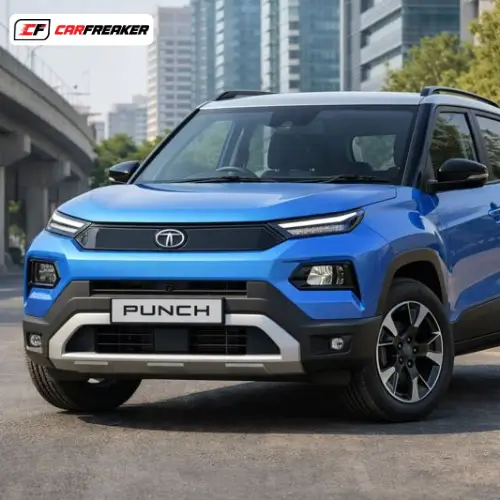
Tata Punch 2026 compact SUV front three-quarter view on an Indian city road
Cars, News

All New Tata Punch 2026 – Price, Features, Mileage, Safety & Comparison

Introduction: Why Tata Punch Still Makes Sense in India If you look around Indian roads today, especially in cities and growing towns, one thing is very clear — the Tata Punch 2026 is already creating a lot of buzz. From young first-time car buyers to small families upgrading from a bike or old hatchback, the Punch has quietly become one of Tata’s most successful and trusted cars in India. At CarFreaker, we regularly track what Indian buyers are actually choosing, and Punch consistently comes up as a practical favourite. The reason is simple. It looks like a small SUV, feels solid, gives decent mileage, and most importantly, it carries the Tata badge for safety. Now with the Tata Punch 2026 model expected soon, there’s a lot of buzz. Readers at CarFreaker are already asking — What’s new? Will the price go up? Is it still better than Hyundai Exter? Let’s break it down honestly. Tata Punch 2026 Price in India Price is always the first concern for Indian buyers, and Tata knows this very well. From what CarFreaker has observed through market trends and Tata’s recent launches, the company will try hard to keep Punch within reach of middle-class families. Expected Ex-Showroom Price (India) This expected Tata Punch 2026 price in India keeps it competitive with Hyundai Exter, Citroen C3, and even higher variants of WagonR. Tata Punch 2026 On-Road Price Ahmedabad (Example) For buyers in Gujarat, especially Ahmedabad, here’s a realistic estimate based on current RTO and insurance costs that CarFreaker tracks regularly: So if you’re searching for Tata Punch 2026 on-road price Ahmedabad, this is a safe expectation. Tata Punch 2026 Mileage & Engine Mileage is non-negotiable for most Indian households. At CarFreaker, we always focus on real-world figures, not brochure numbers. Engine Details (Expected) Tata is sticking to this engine because it’s proven, reliable, and affordable to maintain — exactly what Indian buyers prefer. Tata Punch 2026 Mileage (Real-World) For daily office runs, school drops, traffic-heavy roads, and occasional highway trips, the Tata Punch 2026 mileage is practical and predictable. Features & Interior Updates Based on Tata’s recent updates across models like Nexon and Altroz, CarFreaker expects the Punch 2026 to get meaningful feature upgrades rather than gimmicks. Expected Feature List The interior will still focus more on durability than luxury. Hard plastics remain, but the layout is user-friendly, especially for new drivers and family users. Safety & Build Quality This is where Tata clearly stands apart — and why CarFreaker often recommends Tata cars to safety-focused buyers. Tata Punch 2026 Safety Rating (Expected) If safety is your top priority, the Tata Punch 2026 safety rating alone makes it a serious option. Tata Punch 2026 vs Hyundai Exter This is one comparison CarFreaker readers ask about almost every week. Comparison Table: Tata Punch 2026 vs Hyundai Exter Factor Tata Punch 2026 Hyundai Exter Starting Price More affordable Slightly higher Mileage 18–21 km/l 19–22 km/l Safety 5-star (expected) Not crash-tested Build Feel Solid & strong Light Engine Nature Calm, practical More refined Family Confidence High Medium CarFreaker Take on This Comparison If safety, durability, and peace of mind matter more, Tata Punch 2026 wins.If you want a smoother engine and feature-loaded cabin, Exter feels tempting. But for Indian families, Punch still feels more trustworthy. Is Tata Punch 2026 Good for Middle-Class Buyers? From CarFreaker’s perspective — absolutely yes. Tata Punch 2026 EMI Options for Middle-Class Buyers With a down payment of around ₹1–1.2 lakh: This makes the Tata Punch 2026 EMI options for middle-class buyers very manageable. Maintenance & Ownership Family Suitability So if you’re wondering Is Tata Punch 2026 good for family? — it clearly ticks most boxes. Pros & Cons Pros Cons As CarFreaker always says — no car is perfect, but Punch keeps its priorities right. FAQs – Tata Punch 2026 What is the mileage of Tata Punch 2026? In real-world conditions, expect 18–19 km/l in city and 20–21 km/l on highways. Is Tata Punch 2026 better than Hyundai Exter? For safety and build quality, yes. For smoother driving and features, Exter may appeal more. Is Tata Punch 2026 good for family use? Yes. It’s safe, comfortable, easy to drive, and affordable to own. What is the on-road price of Tata Punch 2026 in Ahmedabad? Expected between ₹7.1 lakh and ₹10.2 lakh, depending on the variant. Final Verdict: Should You Buy Tata Punch 2026? From CarFreaker’s honest point of view, the Tata Punch 2026 continues to be one of the smartest choices for Indian buyers who want safety, practicality, and peace of mind. Who Should Buy It? It may not excite you with speed or flashy interiors, but it delivers where it matters. If Tata prices it well and adds the expected updates, Tata Punch 2026 will remain a solid, sensible, and dependable car for Indian roads. If you’re also interested in how Tata cars are performing in the Indian market overall, it’s worth checking out how the brand is creating waves again with its iconic nameplate. Tata recently grabbed attention with massive demand for its upcoming SUV, and you can read more about it here: Tata Sierra booking numbers create record demand in India. If you enjoy honest car discussions and real buyer opinions, you can also follow CarFreaker on LinkedIn for regular auto updates and industry insights. For open conversations, opinions, and community-driven discussions around Indian cars, you can join the CarFreaker subreddit on Reddit, where enthusiasts share real-world experiences and thoughts.

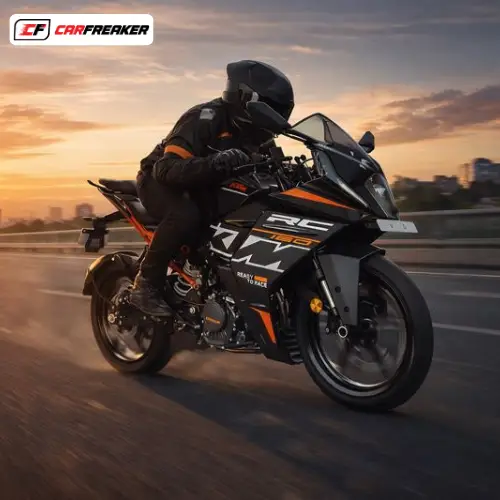
KTM RC 160 sports bike shown in official launch design with aggressive fairing and race-inspired stance
Bikes, News

KTM RC 160: The Day I Realized Small Bikes Can Be Wild Too

I remember the first time I saw the KTM RC 160 not on the road, but on my phone screen. One scroll stopped me. Then another. Official images, studio shots, close ups that KTM clearly wanted us to stare at a little longer. It wasn’t parked outside a café.It wasn’t flying past traffic lights.For now, it existed only in pictures. And still, it felt serious. It Looks Like KTM Didn’t Hold Back Most new bikes look safe in their launch images. The KTM RC 160 doesn’t. Sharp fairings. A low, aggressive nose. That unmistakable RC stance that looks uncomfortable just standing still. Even through photos, you can tell this isn’t a “starter bike” dressed up to look sporty. It looks like a proper baby supersport. What stands out is how little KTM has softened the design. No friendly curves. No visual compromises. From the LED headlights to the tight tail section, the RC 160 looks like it belongs on a racetrack even if it hasn’t reached one yet. It’s the kind of bike that makes you zoom into photos without realising it. First Impressions of the Riding Position Based on the official visuals and KTM’s presentation, the riding position looks sporty but not extreme. The clip ons seem slightly raised compared to older RC models. The seat doesn’t look paper thin. The footpegs appear rear set enough to feel engaging, without screaming wrist pain. On paper, it looks like KTM is trying to balance aggression with usability.Not a tourer. Not a commuter.But something you could ride daily if you actually enjoy riding. Engine Expectations: More Than Just a Number A 160cc engine doesn’t sound dramatic. But KTM engines rarely care about expectations. If this motor carries the same character KTM is known for quick throttle response, strong mid range, and a willingness to rev it could be one of the most fun bikes in its class. This isn’t about top speed or bragging rights. The KTM RC 160 feels aimed at riders who want engagement. The kind of rider who enjoys timing gear shifts, listening to the engine note climb, and feeling connected rather than isolated. We’ll know the full story once it hits the road but the intent already feels clear. Where It’s Likely to Shine: Handling If history tells us anything, KTM doesn’t mess around with chassis tuning. Even without riding it yet, the lightweight frame, sporty geometry, and focused design suggest that the RC 160 will feel sharp in corners. This is the kind of bike that’s built for confidence especially for riders learning how to lean, brake, and carry speed properly. This won’t be about straight line madness.It will be about control. Braking, Safety & Everyday Sense KTM has become smarter over the years, and the RC 160 seems to follow that trend. Expected ABS support, solid braking hardware, and predictable dynamics should make it approachable for newer riders without taking away the thrill. It looks like a bike that encourages pushing your limits safely. As for daily use, the RC 160 doesn’t appear impractical. Yes, suspension will likely be on the stiffer side. Yes, bad roads will be felt. But that’s the price you pay for precision. One Thing Worth Being Honest About This bike won’t be for everyone. If someone is expecting plush comfort, upright seating, and zero feedback from the road, the KTM RC 160 will feel demanding. It looks like a bike that expects attention and involvement from the rider. And honestly, that’s exactly what makes it interesting. Who the KTM RC 160 Feels Made For From what we’ve seen so far, the KTM RC 160 feels perfect for: It doesn’t look like a bike built to impress everyone.It looks like a bike built for its kind of people. Final Thought The KTM RC 160 hasn’t hit Indian roads yet. There are no real-world ride stories, no long term reviews, no track day videos. And still, it has already started conversations. Some bikes make noise when they launch.Some bikes quietly sit in your head, waiting. The KTM RC 160 feels like the second kind. One Last Honest Note That said, while the KTM RC 160 looks sharp, modern, and a little wild even in pictures, it would be unfair to ignore the older RC models. Those bikes had a raw, almost brutal presence thick fairings, aggressive proportions, and a look that felt unapologetically race focused. I’m not saying the new design is better or worse; it’s just different. The older RCs had a timeless, robust character that still turns heads today, while the new RC 160 feels cleaner and more refined. Both carry the same racing soul just expressed in different generations.

Kia Seltos 2026 price
Cars, News

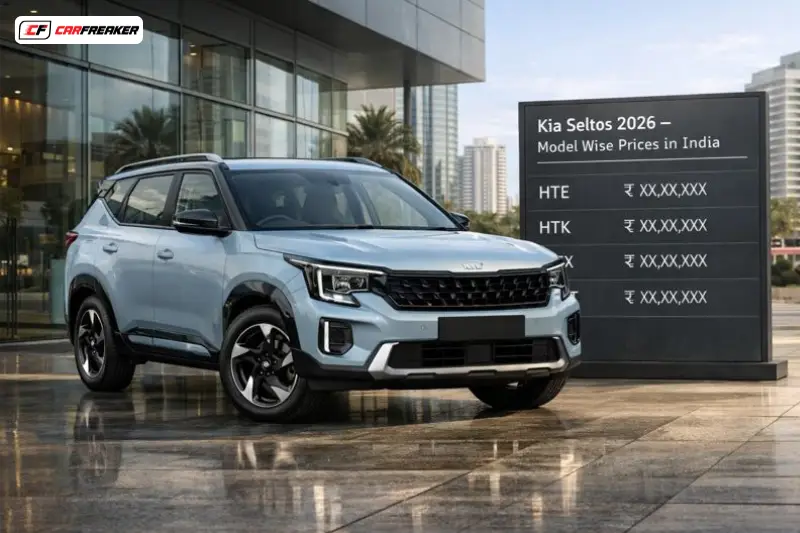
All New Kia Seltos 2026 Price Model Wise List in India

Variants, Petrol & Diesel Options, Features Explained + Best Value Picks The Kia Seltos has always been one of those SUV that Indians love for getting almost everything right looks, features, engine choices, and road presence. With the 2026 update, Kia is expected to fine tune the formula further, adding smarter tech, improved safety, and slightly revised pricing across variants. If you’re planning to buy the Kia Seltos 2026 price, this guide breaks down model wise prices, petrol and diesel options, manual and automatic variants, and what each trim actually offers and it also without confusing jargon. Kia Seltos 2026 – Expected Engine Options Before diving into prices, here’s a quick look at what Kia is expected to continue with: All-New Kia Seltos 2026 Price List (Expected Ex-Showroom India) Variant Engine Transmission Expected Price (₹) HTE 1.5 Petrol Manual 11.20 lakh HTK 1.5 Petrol Manual 12.00 lakh HTK+ 1.5 Petrol Manual 12.90 lakh HTX 1.5 Petrol Manual 14.20 lakh HTX CVT 1.5 Petrol Automatic (CVT) 15.50 lakh HTX+ 1.5 Petrol Manual 15.90 lakh GTX+ Turbo 1.5 Turbo Petrol 7DCT 19.50 lakh X-Line Turbo 1.5 Turbo Petrol 7DCT 20.00 lakh HTK Diesel 1.5 Diesel Manual 13.50 lakh HTX Diesel 1.5 Diesel Manual 15.50 lakh HTX Diesel AT 1.5 Diesel 6AT 17.20 lakh GTX+ Diesel 1.5 Diesel Automatic 18.80 lakh Note: Prices are expected ex-showroom and may change at launch. Variant-Wise Features Breakdown (What You Actually Get) HTE & HTK – Entry Level but Practical HTK+ – The Real Sweet Spot Begins This is where Seltos starts feeling “premium”. HTX & HTX CVT – Balanced Family Choice HTX+ – Feature Loaded Without Going Sporty GTX+ Turbo – Performance Meets Luxury This one is for enthusiasts who want speed + features. X-Line – For Those Who Want Exclusivity Diesel Variants – Highway Kings Mileage Expectations (Real World) Verdict: Top 2 Value-for-Money Kia Seltos 2026 Variants 🥇 HTK+ Petrol Manual Why buy? Perfect for: First-time SUV buyers, families 🥈 HTX Diesel Manual Why buy? Perfect for -> this is way comfortable and fuel efficient for Highway users and long-distance commuters Final Thoughts The All-New Kia Seltos 2026 continues to play on its biggest strength — choice. Whether you want efficiency, performance, comfort, or tech, there’s a Seltos variant that fits your budget and lifestyle. The key is picking the right trim, not the most expensive one. If you’re shopping smart, the Seltos still remains one of the safest bets in the mid-size SUV segment.

Best Selling Cars in India 2025
Cars, Reviews, Special Report

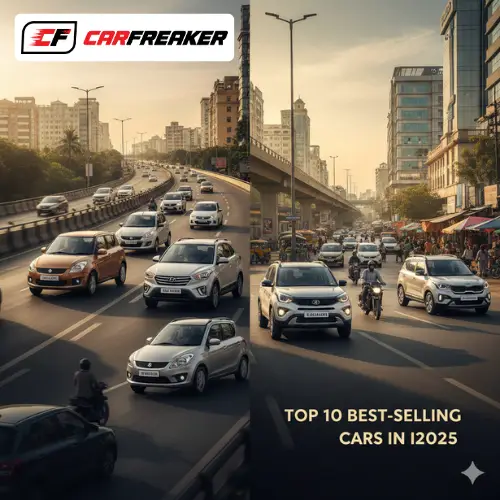
Top 10 Best Selling Cars in India in 2025 and What Indians Really Bought

Every year, we talk about launches, features, horsepower and technology. But when the dust settles and the sales numbers come out, a very different picture appears. This Best Selling Cars in India 2025 that dominate India are rarely the ones that excite enthusiasts. They are the ones that quietly fit into everyday life. 2025 was no different. If you look closely at the best selling cars this year, you will notice a pattern. Indians are not buying dreams. They are buying solutions. Solutions to traffic, fuel prices, bad roads, family needs and long term ownership stress. Here is what is India Best Selling Cars in India 2025, and why. Maruti Suzuki Wagon R Around 2.05 lakh units sold in 2025Average yearly service cost roughly ₹4,000 to ₹5,000 The Wagon R does not need defending anymore. It has outlived trends, criticism and even common sense arguments. People buy it because it works. Elderly parents can get in easily. Kids have space. Mileage is predictable. Service centres are everywhere. The biggest complaint people have is also its biggest truth. It feels basic. But for buyers, basic often means dependable. This car sells because it removes fear from car ownership. Maruti Suzuki Baleno Around 1.85 lakh units sold in 2025Average yearly service cost roughly ₹5,000 to ₹6,000 The Baleno is what happens when you understand the Indian middle class mindset perfectly. It feels premium enough to feel like an upgrade, but not expensive enough to feel risky. It is comfortable, quiet and easy to live with. Owners often admit one thing openly. They wish it felt stronger in build. But they still buy it because day to day comfort matters more than online debates. This is the safe premium choice. Tata Punch Around 1.75 lakh units sold in 2025Average yearly service cost roughly ₹5,500 to ₹6,500 The Punch did something unusual. It made safety a talking point in a small car segment. Parents buying a first car for their children gravitated towards it. New drivers felt confident sitting higher. On highways, the engine feels strained. Owners know this. But most Punch buyers are not chasing speed. They are chasing peace of mind. It sells because it makes people feel protected. Hyundai Creta Around 1.70 lakh units sold in 2025Average yearly service cost roughly ₹7,000 to ₹9,000 The Creta is not just a car anymore. It is a default answer. If someone asks which SUV to buy, this name comes up without thinking. It rides well, feels premium, and Hyundai knows how to make buyers feel taken care of. The only real frustration is waiting time. Demand refuses to cool down. People buy the Creta because it feels like a reward for reaching a certain stage in life. Maruti Suzuki Swift Around 1.65 lakh units sold in 2025Average yearly service cost roughly ₹4,500 to ₹5,500 The Swift still carries a spark that most hatchbacks have lost. It feels light, playful and easy. Young buyers still smile when they drive it. Rear seat space is not its strength. Families know this. Yet many still choose it because driving joy still matters to some extent. The Swift sells because it still feels alive. Maruti Suzuki Dzire Around 1.60 lakh units sold in 2025Average yearly service cost roughly ₹5,000 to ₹6,000 The Dzire does not try to impress. It tries to reassure. Rear seat comfort, boot space and calm driving manners make it a family favourite. Design is conservative and nobody denies that. But conservative is often another word for trusted. It sells because it makes long term ownership predictable. Tata Nexon Around 1.55 lakh units sold in 2025Average yearly service cost roughly ₹6,500 to ₹8,000 The Nexon attracts buyers who actively think about safety and strength. It feels solid on the road and offers multiple powertrain choices. Some owners complain about interior inconsistencies. Yet many still choose it because it feels planted and reassuring at speed. It sells because it feels built to last. Hyundai Venue Around 1.45 lakh units sold in 2025Average yearly service cost roughly ₹6,000 to ₹7,500 The Venue fits perfectly into crowded cities. Compact dimensions, feature rich cabin and refined engines make it easy to drive daily. Rear seat comfort is not its strongest suit. Buyers know this. But most Venue owners are front seat users spending hours in traffic. It sells because city life demands compact SUVs. Maruti Suzuki Ertiga Around 1.40 lakh units sold in 2025Average yearly service cost roughly ₹6,000 to ₹7,000 The Ertiga quietly carries families, luggage and businesses across India. It is not glamorous, but it is incredibly useful. Third row comfort is limited for adults, yet people keep buying it because it does not pretend to be something else. It sells because it solves real family problems. Kia Sonet Around 1.30 lakh units sold in 2025Average yearly service cost roughly ₹6,500 to ₹8,000 The Sonet speaks to buyers who want their car to feel modern. Screens, design and features attract younger owners. Ride quality can feel stiff on bad roads. But many buyers are willing to trade some comfort for style and tech. It sells because looks and features still influence decisions. What 2025 Really Tells Us Indian buyers in 2025 are practical and that’s why we are here with story of Best Selling Cars in India 2025 with its cautious and informed. They care about safety more than before. They still value mileage. They trust brands that reduce ownership anxiety. Excitement matters, but only after reliability is guaranteed. While these cars dominated Indian roads in 2025, the story of India’s car market is far from over. With changing buyer preferences, stricter emission norms, and a strong push toward electrification, the next wave of launches is already creating a buzz. From new-generation SUVs to affordable EVs and feature-packed family cars, the coming year promises plenty of excitement. If you’re curious about what’s next for Indian buyers, don’t miss our detailed look at the upcoming cars in India for 2026, where we break down the most

Upcoming bikes in India 2026 with launch dates
Bikes, News

Upcoming Top 10 Bikes in India 2026 That Every Rider Should Watch

If you think the Indian motorcycle market has already peaked, 2026 is about to prove you wrong. This is the year when brands stop playing safe and finally give riders what they have been asking for. Bigger engines, real adventure bikes, serious electric motorcycles and global models landing on Indian roads. This is not just about new launches. This is about how Indian motorcycling is evolving. Here are the top 10 upcoming bikes in India 2026 that truly matter, explained the Carfreaker way. Hero Xpulse 440 Expected price ₹2.4 to 2.6 lakhEngine 440cc single cylinderExpected launch mid 2026 Hero is finally done experimenting. The Xpulse 440 is expected to be a proper adventure motorcycle built for Indian riders who actually travel. More power than the current Xpulse, better highway ability and still friendly enough for rough roads. This could become the default choice for riders who want one bike for city, highway and trails. Why it mattersAffordable adventure touring finally gets serious. Royal Enfield Himalayan 750 Expected price ₹4 to 4.5 lakhEngine 750cc twin cylinderExpected launch late 2026 Royal Enfield is working on a Himalayan that is no longer limited to Indian highways. The 750 is being developed for global touring with better stability, more power and modern electronics. This is the Himalayan for riders who want to cross states without thinking twice. Why it mattersRoyal Enfield moves into premium adventure territory. Bajaj Pulsar 400 Expected price ₹2.3 to 2.6 lakhEngine 400cc single cylinderExpected launch early 2026 The Pulsar name has waited long enough. The Pulsar 400 is expected to blend raw street aggression with usable performance. It will likely borrow the Dominar platform but tune it for younger riders who want thrill without touring bulk. This bike could revive the original Pulsar spirit. Why it mattersA proper flagship Pulsar is finally coming. KTM 390 Enduro R Expected price ₹3.3 to 3.6 lakhEngine 373ccExpected launch mid 2026 This is not a soft adventure bike. The 390 Enduro R is built for riders who live for dirt, trails and broken terrain. Lightweight body, long suspension travel and minimal design point towards pure off road focus. This will not be for everyone and that is exactly the point. Why it mattersTrue off road biking enters the mainstream. Yamaha R3 Next Generation Expected price ₹4.2 to 4.5 lakhEngine 321cc twin cylinderExpected launch early 2026 The R3 is coming back sharper and more focused. Expect better aerodynamics, updated electronics and smoother performance. Yamaha may also improve localisation to fix past pricing complaints. For riders who value refinement over raw aggression, this still makes sense. Why it mattersOne of the most balanced entry supersport bikes. TVS RTX 300 Adventure Expected price ₹2.8 to 3.2 lakhEngine 300ccExpected launch mid to late 2026 TVS is quietly preparing a serious adventure motorcycle. The RTX 300 is expected to offer comfort for long rides while still being capable off the road. Knowing TVS, ride quality and reliability will be its strong points. This bike could surprise a lot of people. Why it mattersTVS steps into adventure riding with confidence. Honda CB350 Scrambler Expected price ₹2.3 to 2.5 lakhEngine 348ccExpected launch early 2026 Honda plans to expand its 350 range with a scrambler style motorcycle. Upright riding posture, retro design and smooth engine character make it ideal for daily riding with weekend fun. This will appeal more to lifestyle focused riders. Why it mattersClassic looks with everyday usability. Ultraviolette Shockwave Expected price ₹2.5 to 3 lakhPowertrain electricExpected launch mid 2026 Ultraviolette wants to prove electric bikes can be exciting. The Shockwave is expected to deliver instant torque, lightweight design and aggressive styling aimed at enthusiasts rather than commuters. This could change how people look at electric motorcycles. Why it mattersElectric bikes finally get an attitude. Suzuki GSX 8S Expected price ₹10 to 11 lakhEngine 776cc twin cylinderExpected launch late 2026 Suzuki plans to bring its global middleweight naked to India. The GSX 8S is known for smooth power delivery, strong torque and everyday comfort. It may not shout for attention but it gets the job done brilliantly. This is a mature streetfighter for serious riders. Why it mattersRefinement meets real world performance. Royal Enfield Electric Himalayan Expected price ₹6 to 7 lakhPowertrain electricExpected launch late 2026 Royal Enfield’s first electric motorcycle is expected to take the Himalayan route. Instead of chasing speed, the focus will be torque, durability and touring capability. This bike will define how traditional brands enter the electric future. Why it mattersA historic shift for Royal Enfield. Why 2026 Will Change Indian Motorcycling Manufacturers are finally listening to riders. Bigger engines are becoming accessible. Adventure bikes are no longer niche. Electric motorcycles are moving beyond city limits. India is no longer an afterthought for global launches. 2026 feels like a turning point. Carfreaker Take This is one of the strongest future lineups we have seen in years. From petrol powered machines to electric trail bikes, the variety is impressive. Whether you ride daily, tour often or chase adrenaline, something exciting is coming your way. Stick with Carfreaker for honest breakdowns, launch updates and real rider opinions.

Scroll to Top