KTM Duke 160 2025: Why to Buy and Why Not?
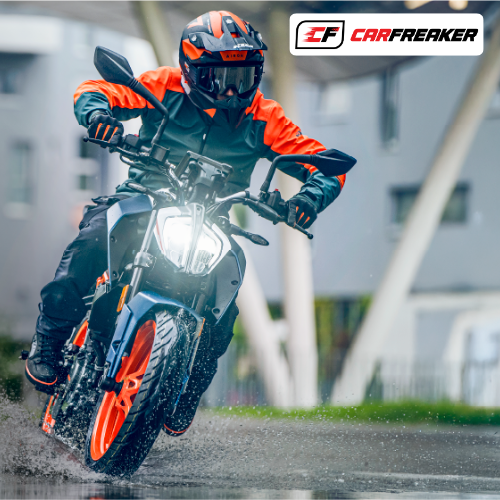
The KTM Duke 160 (2025) has officially entered India as the brand’s new entry-level performance streetfighter. Priced at ₹1.85 lakh (ex-showroom), it is positioned against rivals like the Yamaha MT-15 and Pulsar NS160. But is the Duke 160 worth buying? Let’s explore the reasons to buy, reasons to skip, and why KTM has discontinued the Duke 125 and RC 125. Why to Buy the KTM Duke 160 (2025)? Powerful Engine and Performance The all-new 160cc liquid-cooled engine produces around 19–20 hp, making it more powerful than Yamaha MT-15 (18.4 hp). Built on KTM’s lightweight trellis frame with USD forks and monoshock suspension, the bike ensures sporty handling and stability. Modern Features The Duke 160 comes with dual-channel ABS, LCD display, LED headlamps, and premium hardware that make it a top-notch streetfighter. Despite being KTM’s most affordable model, it doesn’t compromise on performance DNA. Value for Money in Performance Segment At ₹1.85 lakh, the Duke 160 undercuts bigger bikes while offering better hardware and performance compared to its direct rivals in the 150–160cc class. Why Not to Buy the KTM Duke 160? Premium Pricing At its price point, budget-conscious buyers may still prefer options like Pulsar N160 or TVS Apache RTR 160, which are more affordable yet practical for daily use. Limited Service Network KTM’s service centers are still fewer compared to Yamaha and Bajaj, which means maintenance and spare part availability could be a challenge in smaller towns. No Long-Term Reviews Yet Since the Duke 160 is a new launch, its long-term reliability and ownership experience are still unknown. Why KTM Discontinued Duke 125 and RC 125 in India Declining Sales The KTM Duke 125 and RC 125 faced a massive drop in sales — from 230 units in January 2024 to just 17 units in January 2025. High pricing and tough competition played a key role in this decline. Emission Norms (OBD-2B) The models did not receive the mandatory OBD-2B emission update, which became effective from April 1, 2025. As a result, they could no longer be sold in India. Better Competitors at Lower Price At ₹1.81 lakh, the Duke 125 was more expensive than the Yamaha MT-15, which offered better performance and wider service support. This made the 125 models unattractive to buyers. KTM’s Strategy Shift KTM India is now focusing on 160cc and above models to align with its brand identity as a performance-oriented motorcycle maker. The Duke 160 fills the gap left by the discontinued 125 models. Quick Comparison Table Factor KTM Duke 160 (2025) Duke 125 / RC 125 (Discontinued) Engine Power ~19–20 hp ~14.3 hp Features ABS, LED, LCD Display, Premium Build Basic Features, Limited Updates Price (Ex-showroom) ₹1.85 lakh ₹1.81 lakh Compliance OBD-2B Ready Not OBD-2B Compliant Another key factor for bike buyers in 2025 is the upcoming E20 fuel rollout in India. Since the KTM Duke 160 (2025) will also run on ethanol-blended petrol, it’s important to understand how E20 fuel could impact mileage and long-term performance. You can read our detailed blog on the Supreme Court verdict on E20 fuel to know the full picture. For instant updates on the latest bike launches, fuel policies, and automotive news, you can follow us on Instagram and LinkedIn. We share quick insights, exclusive images, and breaking stories so you never miss an update. Stay connected with us for all things auto! Conclusion The KTM Duke 160 (2025) is a worthy replacement for the Duke 125, offering more power, better features, and a true KTM streetfighter feel at a competitive price. However, the premium tag and limited service network may not appeal to everyone. If you’re looking for a stylish, feature-packed performance bike in the 160cc segment, the Duke 160 is an exciting option. But if affordability and easy maintenance are your priorities, alternatives like Yamaha MT-15 or Pulsar N160 may suit you better. What do you think about KTM’s move to discontinue the 125 models? Share your thoughts in the comments below!