India’s Ultimate Car & Bike News Hub

Author name: Ravi

He has done engineering in computer technology, but the thing is, he's a developer by profession. However, he's a total car freak by hobby. He's been into automobiles since childhood and has always had a strong interest in them. It's like his passion for cars has been there all along, even though he's working in tech. Oh, and he's also the main blog writer, where he shares his love for cars and all things automotive.

EV vs CNG vs Diesel in India (2025)
Cars, News, Reviews

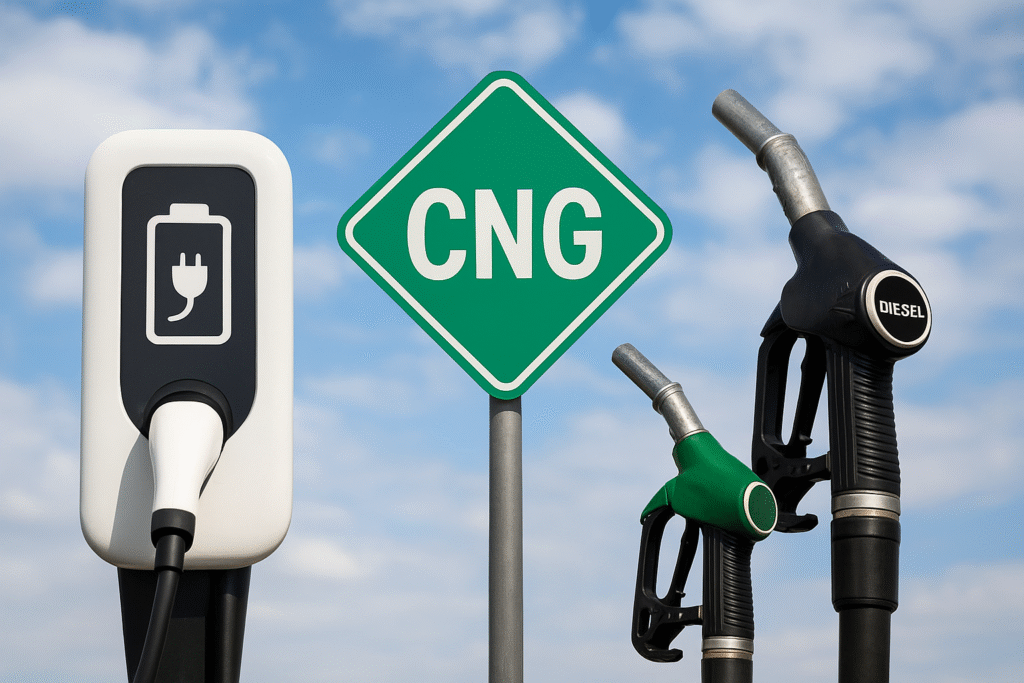
EV vs CNG vs Diesel in India (2025): What High-Mileage Drivers (80+ km/day) Should Choose

If your daily running is 80–150 km (or more), fuel costs compound fast. Below I compare realistic per-km costs, ownership trade-offs, and what actual owners are saying, then wrap with clear recommendations. What people are saying (owner & expert chatter) Today’s running-cost basics (India, Sept 2025) Assumptions for fair comparisons Per-km running cost (fuel/energy only) Fuel Inputs Cost / km (typical) Range of outcomes EV (home charging) ₹8/kWh; 9.5 km/kWh ~₹0.84/km ~₹0.60–₹1.15/km (₹6–₹10/kWh; 8–11.5 km/kWh) EV (public DC fast) ₹20/kWh; 9.5 km/kWh ~₹2.10/km ~₹1.60–₹2.75/km (₹18–₹22/kWh) CNG ₹85/kg; 24 km/kg ~₹3.54/km ~₹2.7–₹4.8/km (₹76–₹96/kg; 20–28 km/kg) Diesel ₹87.7/l; 20 km/l ~₹4.38/km ~₹3.98–₹4.87/km (18–22 km/l; city vs highway) Takeaway: EV (home-charged) is the cheapest per km by a wide margin, followed by CNG, then diesel. If you rely mostly on public DC, EV cost rises but usually still under diesel. Annual fuel/energy spend for 80 km/day Fuel 80 km/day × 300 days = 24,000 km/yr 120 km/day × 300 days = 36,000 km/yr EV (home) ₹20.2k/yr ₹30.2k/yr EV (mostly DC) ₹50.4k/yr ₹75.6k/yr CNG ₹85.0k/yr ₹127.6k/yr Diesel ₹105.1k/yr ₹157.6k/yr Beyond running cost: the hidden factors Upfront price & payback Energy/fuel availability & convenience Maintenance & reliability Policy & resale Real-world owner snippets (short quotes) “Hybrids are proving much better for me… high mileage, silent, no range anxiety.” — Team-BHP member (2025) “The biggest advantages I see for an EV are ₹1/km running cost over ~₹3 for CNG, plus home charging.” — Team-BHP member (2024) (Quotes shortened to stay within fair-use limits.) Head-to-head: Which suits 80+ km/day best? Use case Winner Why City-heavy 80–150 km/day, home parking with power EV Cheapest per km, silent, low maintenance; public DC only for trips. City + short highway, CNG station nearby CNG Very economical, quick refuels; watch boot space & station queues. Frequent highways, heavy loads, no home charging nor CNG nearby Diesel Best torque & efficiency at speed; widespread fueling; policy risk in NCR. Apartment living + no personal charger + sparse public network CNG or Diesel Until charging access improves, EV savings may not materialize. Model-agnostic TCO pointers (for your spreadsheet) Conclusion (clear verdict) For instant updates on the latest bike launches, fuel policies, and automotive news, you can follow us on Instagram and LinkedIn. We share quick insights, exclusive images, and breaking stories so you never miss an update. Stay connected with us for all things auto! As India slashes GST on vehicles, another pivotal development is reshaping the country’s transportation landscape—the Supreme Court has upheld the E20 petrol policy, allowing mandatory use of 20% ethanol-blended fuel nationwide. This ruling reinforces India’s clean fuel drive while raising important questions about compatibility with older vehicles and consumer choice India’s Ultimate Car & Bike News Hub. Read the full breakdown here for essential context on how these fuel and tax shifts intersect.
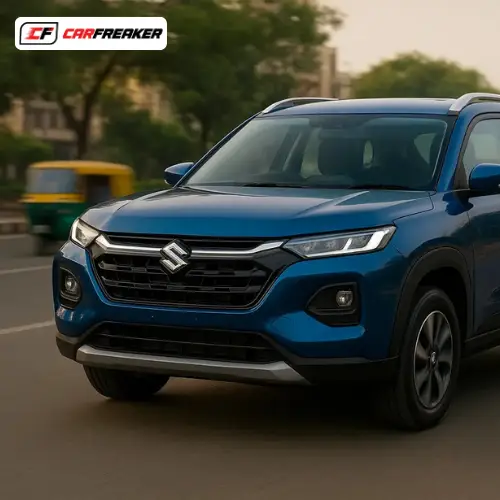
Special Report: Why Maruti Suzuki Continues to Rule Indian Roads in 2025
Special Report

Special Report: Why Maruti Suzuki Continues to Rule Indian Roads in 2025

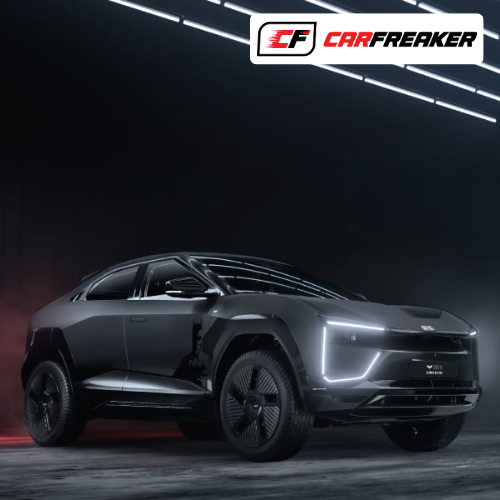
🇮🇳 The Legacy of Maruti Suzuki: Why It Succeeds in India Maruti Suzuki’s journey from launching the iconic Maruti 800 in 1983 to becoming India’s largest car manufacturer is a masterclass in understanding the Indian consumer psyche. Here’s why it continues to thrive: Deep Market Penetration Affordability & Accessibility Trust & Reliability 🔮 Why Indians Still Choose Maruti in 2025 Despite the rise of electric vehicles, luxury brands, and tech-driven alternatives, Maruti Suzuki remains the top-selling brand in India. Here’s why: 🔹 Smart Product Strategy 🔹 Value for Money 🔹 Government Alignment 🔧 Technical Superiority: Low Maintenance & High Fuel Efficiency Maruti Suzuki’s engineering philosophy revolves around simplicity, efficiency, and cost-effectiveness. Engine Technology Maintenance Ecosystem Fuel Efficiency Leadership ✨ What Makes Maruti Cars Special Maruti Suzuki isn’t just a car brand—it’s a cultural icon. Here’s what sets its vehicles apart: User-Centric Design High Resale Value Safety & Tech (2025 Update) Maruti vs. Competitors: What’s Unique in 2025 Feature Maruti Suzuki Hyundai India Tata Motors EV Portfolio 1 Models(e vitara) 3 Models (Ioniq 5, Kona) 5 Models (Nexon EV, Punch EV) Hybrid Tech Yes (Toyota partnership) Limited Yes Fuel Efficiency Best-in-class Moderate Competitive Service Network Widest in India Strong Growing Resale Value High Moderate Improving Safety Ratings 3–4 Stars (Improving) 4–5 Stars 4–5 Stars Price Range ₹13L–₹20L ₹20L–₹25L ₹12L–₹20L ⚖️ SWOT Analysis: Maruti Suzuki India in 2025 ✅ Strengths ⚠️ Weaknesses 🌱 Opportunities ❌ Threats 🏁 Conclusion: The Road Ahead for Maruti Suzuki In 2025, Maruti Suzuki stands not just as a car manufacturer but as a symbol of Indian mobility. Its ability to evolve with consumer needs, embrace new technologies, and maintain affordability makes it a cornerstone of India’s automotive ecosystem. While challenges persist, especially in premium and EV segments, Maruti’s strategic focus on hybrid tech, alternative fuels, and rural outreach ensures it remains the preferred choice for millions. For more on the latest shifts in the Indian auto scene, don’t miss our coverage of the GST 2.0 car discounts and the top 10 biggest price drops, an exclusive look at VinFast VF6 entering the Indian market, and a detailed feature on the stunning Grand Vitara Phantom Black Edition. Stay connected with us beyond the blog! Follow us on Instagram for daily car updates, reels, and behind-the-scenes content, and join the conversation on LinkedIn where we share industry insights, trends, and exclusive reports.

Maruti Suzuki Victoris: Price, Features, Competitors & 5-Star Bharat NCAP Rating
Cars, News, Safety

Maruti Suzuki Victoris: Price, Features, Competitors & 5-Star Bharat NCAP Rating

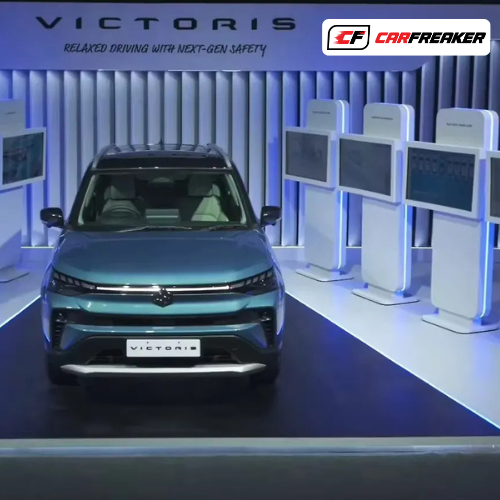
The Maruti Suzuki Victoris has taken the Indian car market by storm. With its 5-star Bharat NCAP safety rating, modern features, and competitive pricing, it has quickly become a top choice for families and first-time buyers. But is it really worth your money? Let’s dive into its features, price, competitors, and pros & cons. Key Features of Maruti Suzuki Victoris The Victoris is designed to combine safety, performance, and affordability, making it one of the most practical cars in its segment. Maruti Suzuki Victoris Price in India The ex-showroom price of the Maruti Suzuki Victoris in India starts at ₹9.99 lakhs and goes up to ₹15.49 lakhs (depending on the variant). Competitors of Maruti Suzuki Victoris The Victoris competes in the compact SUV and premium hatchback segment, going head-to-head with popular models like: Why Buy Maruti Suzuki Victoris? Why Not Buy Maruti Suzuki Victoris? Maruti Suzuki Victoris vs Competitors (Comparison Table) Feature / Car Maruti Suzuki Victoris Tata Nexon Hyundai Venue Kia Sonet Price Range ₹9.99–15.49 L ₹8–15 L ₹8–15 L ₹8–15 L Safety Rating ⭐⭐⭐⭐⭐ (Bharat NCAP) ⭐⭐⭐⭐ (GNCAP) ⭐⭐⭐⭐ (GNCAP) ⭐⭐⭐⭐ (GNCAP) Mileage 20–24 km/l 17–21 km/l 17–21 km/l 17–22 km/l Engine Power 1.5L Petrol (103 PS) 1.2L / 1.5L 1.2L / 1.5L 1.2L / 1.5L Top Features 360° Camera, 6 Airbags EV Option Wireless CarPlay Bose Sound Resale & Service Excellent (Maruti) Good Good Good Conclusion: Should You Buy Maruti Suzuki Victoris? The Maruti Suzuki Victoris strikes a fine balance between safety, mileage, and affordability. With its 5-star Bharat NCAP rating, it is one of the safest cars in its class, making it a solid family choice. 👉 Buy it if you want a safe, reliable, fuel-efficient SUV with wide service support.👉 Avoid it if you prefer high performance, luxury features, or an electric option. Overall, the Victoris is a practical car for Indian families, and its safety-first design makes it stand out in today’s competitive market. 💬 What’s your take on the new Maruti Suzuki Victoris? Comment below For instant updates on the latest bike launches, fuel policies, and automotive news, you can follow us on Instagram and LinkedIn. We share quick insights, exclusive images, and breaking stories so you never miss an update. Stay connected with us for all things auto! If you’re following Maruti Suzuki’s latest innovations, you’ll also be interested in their big leap into the EV space. Recently, PM Modi flagged off Maruti Suzuki’s first electric car and inaugurated the company’s new battery manufacturing plant in Ahmedabad, marking a milestone for India’s clean mobility future. You can read the full coverage here to understand how Maruti is shaping the next era of sustainable cars alongside launches like the Victoris.

Supreme Court E20 ruling
Cars, News, Trending

Supreme Court on E20 Fuel: What the September 1, 2025 Verdict Means for India

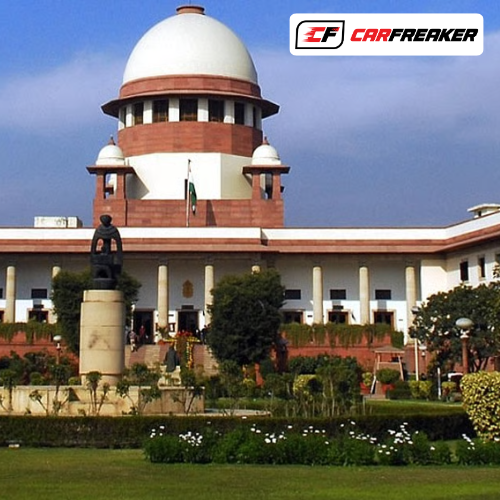
Supreme Court E20 Ruling: What It Means for Your Ride, Fuel Costs & India’s Green Push So yeah, the Supreme Court E20 ruling just changed the game. India’s switch to E20 fuel like new technology if i will say—20% ethanol, 80% petrol—is now official. No more debates, no more delays. We have been watching this closely, and honestly, it’s a big deal for car owners, bike riders, and the whole auto industry. What’s the Supreme Court E20 Ruling? On Sept 1, 2025, the Supreme Court dismissed a PIL that tried to stop the E20 rollout. The petition said older vehicles might not handle E20 well and that people should still have the option to buy ethanol-free petrol (E0). Also asked for clear ethanol labeling at pumps. But the court said nope. The court Chief Justice who is B.R. Gavai and Justice K. Vinod Chandran backed the government and They said that the rollout is part of a national strategy—it is good for farmers and good for the environment, also good for energy security. So yeah, E20 is now the default fuel across India. Timeline: How We Got Here (CarFraker’s Recap) Here’s a quick look, you can check this event and date in more detail 📅 Date 🔍 Event point Aug 2025 Around 90,000 fuel stations switched to E20. E5 and E10 phased out. Aug 29, 2025 Carmakers + oil companies called concerns “misinformation.” Said E20 is safe. Sept 1, 2025 Supreme Court dismissed PIL. No E0 option. E20 rollout gets full legal backing. Mileage Impact NITI Aayog: ~6% drop in older vehicles. SIAM: 2–4% drop but safe for new cars. CarFraker’s been hearing from users—some say their bikes feel sluggish, others say it’s fine. Real-world data will tell the full story. Why This Ruling Matters This ain’t just a court thing. It’s a full-on policy shift. Here’s why it matters: CarFraker thinks this puts India on the global green map. But Yeah, There Are Concerns The Supreme Court did admit there are issues. Just didn’t think they were big enough to stop the rollout. CarFraker’s advice? If your car or bike is older, check with your mechanic. Better safe than sorry. What the Industry’s Saying Mixed reactions all around: CarFraker’s been seeing this tug-of-war online. Some folks are adapting, others are frustrated. India vs The World: Where Do We Stand? India’s not the first to try ethanol blends. But it’s moving fast. India? Already there in 2025. That’s five years ahead of its own target. CarFraker calls that bold. Ethanol + EVs = India’s Green Combo The Supreme Court E20 ruling is just one piece. India’s also going big on EVs. PM Modi recently flagged off Maruti Suzuki’s electric car and opened a new battery plant. CarFraker covered that too—it’s clear the government wants cleaner transport, fast. Final Thoughts from CarFraker This ruling locks in E20 as the new normal. It backs the 2018 National Biofuel Policy and pushes automakers to make E20-ready vehicles faster. For drivers and riders, here’s what you should do: India’s taken a bold step. Now it’s up to us—consumers, automakers, and fuel providers—to keep up.

Scroll to Top