India’s Ultimate Car & Bike News Hub

News

Bikes, News

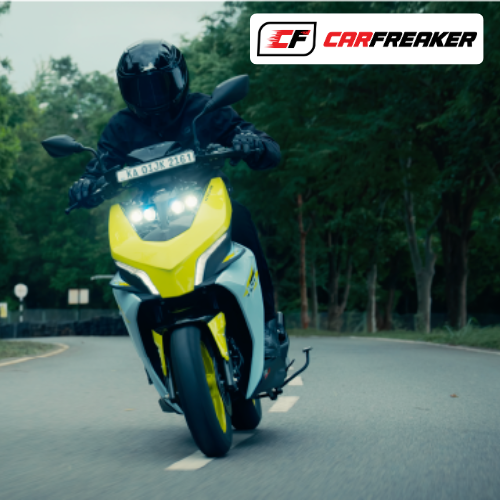
TVS Ntorq 150 Launched 2025 – Price, Specs & Review

The long-awaited TVS Ntorq 150 has officially launched in India on September 4, 2025. With a bigger 149.7cc engine, hyper-sport design, and cutting-edge tech features, the Ntorq 150 aims to dominate the sporty scooter segment. Let’s explore its specifications, features, pricing, rivals, and whether it’s worth your money. ⚙️ Engine & Performance 👉 This makes the TVS Ntorq 150 one of the quickest scooters in its class, combining speed and practicality for city rides. 🎨 Design & Features 💰 Price & Variants ⚔️ Rivals & Competitors The TVS Ntorq 150 goes up against: Quick Comparison Scooter Model Engine (cc) Power/Torque Top Speed Key Features Price (₹ Lakh) TVS Ntorq 150 149.7 13.2PS / 14.2Nm 104 km/h TFT, ABS, Traction Control 1.19–1.29 Yamaha Aerox 155 155 14.8PS / 13.9Nm 110 km/h LCD, Bluetooth 1.35–1.45 Hero Xoom 160 160 14.6PS / 14Nm 105 km/h LCD, Bluetooth 1.49–1.59 Aprilia SR 175 175 ~15PS / 14Nm >100 km/h TFT, Race Mode 1.20–1.30 👉 The Ntorq 150 undercuts most rivals on pricing while offering segment-first traction control and advanced connectivity. ✅ Why Buy TVS Ntorq 150? ❌ Why Not to Buy TVS Ntorq 150? 🔗 Read More Stay ahead with instant updates on bike launches, fuel policies, and automotive news by following us on Instagram and LinkedIn. From exclusive images to quick insights and breaking stories, we bring you everything you need to know. Stay connected with us for all things on wheels! Conclusion The TVS Ntorq 150 brings together style, tech, and performance at a compelling price point. For young urban riders, it’s a complete package that blends sporty looks with connected features—while still being practical for daily use.

GST revision on cars and bikes
Bikes, Cars, News, Trending

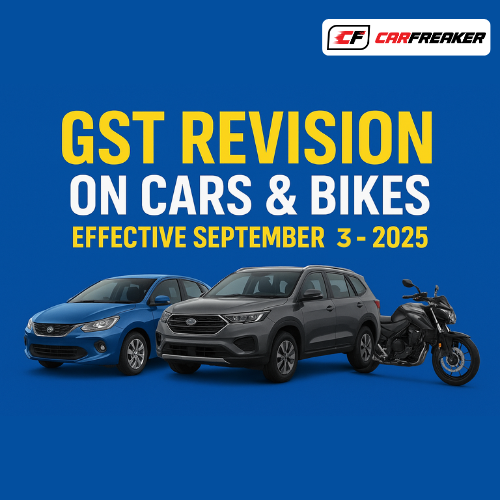
GST Revision on Cars and Bikes 2025 – What It Means for You

GST Revision on Cars and Bikes: What It Means for You 🚗🏍️ On 3rd September 2025, India announced a major GST revision on cars and bikes. This change is great news for buyers. Prices are now lower across hatchbacks, SUVs, and two-wheelers. At Carfreaker, we’ve broken down the new tax rates, real savings, and what it means for you. 📉 Old vs New GST Rates on Cars Earlier, car taxes were high—up to 28% plus cess. Now, most vehicles are taxed at 18%. That means big savings. Real Examples: Maruti Baleno (Hatchback) Hyundai Creta (Midsize SUV) 🏍️ GST Revision on Bikes The GST revision on cars and bikes also benefits two-wheelers. Bikes under 350cc saw the biggest drop. Hero Splendor Plus Royal Enfield Classic 350 Kawasaki Ninja 650 (Premium Bike) 🌍 How India Compares Globally Even after the GST revision on cars and bikes, India’s taxes are still higher than some countries—but much better than before. Country Tax Rate India 18% USA 7–10% UK 20% Germany 19% Thailand ~12% 📊 Quick Price Comparison Segment Model Old Price New Price Savings Hatchback Maruti Baleno ₹9.05L ₹8.26L ₹79K SUV Hyundai Creta ₹18.85L ₹15.34L ₹3.5L Full SUV Toyota Fortuner ₹52.5L ₹41.3L ₹11.2L Entry Bike Splendor Plus ₹1.02L ₹94.4K ₹7.6K Mid Bike Classic 350 ₹2.56L ₹2.36L ₹20K Premium Bike Ninja 650 ₹10.15L ₹9.8L ₹35K 🔗 Supreme Court & E20 Fuel Policy Alongside the GST revision on cars and bikes, the Supreme Court approved the E20 fuel mandate. This means 20% ethanol-blended petrol will be used across India. It supports cleaner fuel and goes hand-in-hand with lower vehicle costs. But it also raises questions about older vehicle compatibility. ✅ What This Means for Buyers Good News: Things to Note: Final Thoughts from Carfreaker The GST revision on cars and bikes is a big win for Indian buyers. If you’ve been waiting to upgrade, now’s a smart time. Lower prices and cleaner fuel policies make this a turning point for the auto industry. 📲 For updates on new launches, fuel rules, and car news, follow Carfreaker on:

Maruti Suzuki Victoris: Price, Features, Competitors & 5-Star Bharat NCAP Rating
Cars, News, Safety

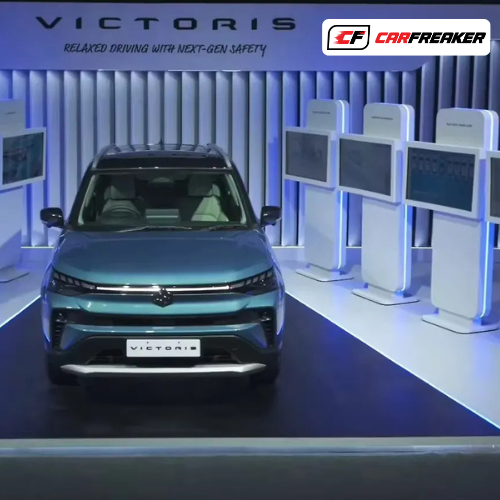
Maruti Suzuki Victoris: Price, Features, Competitors & 5-Star Bharat NCAP Rating

The Maruti Suzuki Victoris has taken the Indian car market by storm. With its 5-star Bharat NCAP safety rating, modern features, and competitive pricing, it has quickly become a top choice for families and first-time buyers. But is it really worth your money? Let’s dive into its features, price, competitors, and pros & cons. Key Features of Maruti Suzuki Victoris The Victoris is designed to combine safety, performance, and affordability, making it one of the most practical cars in its segment. Maruti Suzuki Victoris Price in India The ex-showroom price of the Maruti Suzuki Victoris in India starts at ₹9.99 lakhs and goes up to ₹15.49 lakhs (depending on the variant). Competitors of Maruti Suzuki Victoris The Victoris competes in the compact SUV and premium hatchback segment, going head-to-head with popular models like: Why Buy Maruti Suzuki Victoris? Why Not Buy Maruti Suzuki Victoris? Maruti Suzuki Victoris vs Competitors (Comparison Table) Feature / Car Maruti Suzuki Victoris Tata Nexon Hyundai Venue Kia Sonet Price Range ₹9.99–15.49 L ₹8–15 L ₹8–15 L ₹8–15 L Safety Rating ⭐⭐⭐⭐⭐ (Bharat NCAP) ⭐⭐⭐⭐ (GNCAP) ⭐⭐⭐⭐ (GNCAP) ⭐⭐⭐⭐ (GNCAP) Mileage 20–24 km/l 17–21 km/l 17–21 km/l 17–22 km/l Engine Power 1.5L Petrol (103 PS) 1.2L / 1.5L 1.2L / 1.5L 1.2L / 1.5L Top Features 360° Camera, 6 Airbags EV Option Wireless CarPlay Bose Sound Resale & Service Excellent (Maruti) Good Good Good Conclusion: Should You Buy Maruti Suzuki Victoris? The Maruti Suzuki Victoris strikes a fine balance between safety, mileage, and affordability. With its 5-star Bharat NCAP rating, it is one of the safest cars in its class, making it a solid family choice. 👉 Buy it if you want a safe, reliable, fuel-efficient SUV with wide service support.👉 Avoid it if you prefer high performance, luxury features, or an electric option. Overall, the Victoris is a practical car for Indian families, and its safety-first design makes it stand out in today’s competitive market. 💬 What’s your take on the new Maruti Suzuki Victoris? Comment below For instant updates on the latest bike launches, fuel policies, and automotive news, you can follow us on Instagram and LinkedIn. We share quick insights, exclusive images, and breaking stories so you never miss an update. Stay connected with us for all things auto! If you’re following Maruti Suzuki’s latest innovations, you’ll also be interested in their big leap into the EV space. Recently, PM Modi flagged off Maruti Suzuki’s first electric car and inaugurated the company’s new battery manufacturing plant in Ahmedabad, marking a milestone for India’s clean mobility future. You can read the full coverage here to understand how Maruti is shaping the next era of sustainable cars alongside launches like the Victoris.

Ather vs Ola Electric Scooters 2025 – Which One Should You Buy?
Bikes, Electric, News

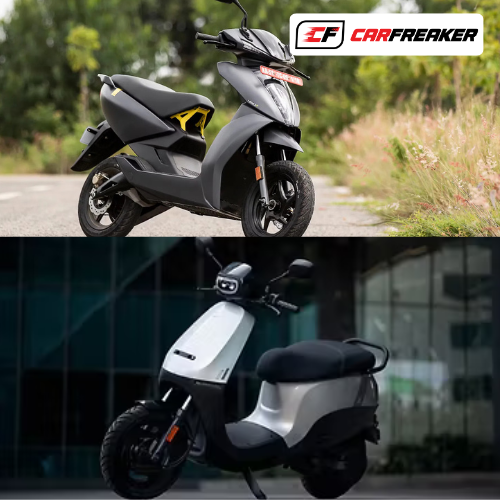
Ather vs Ola Electric Scooters 2025 – Which One Should You Buy?

The Indian electric scooter market is booming in 2025, and the two names that dominate the space are Ather vs Ola Electric Scooters. If you’re planning to buy an EV scooter this year, chances are you’re comparing these two brands. In this blog, we’ll explore the main differences, pros and cons, service costs, reliability, and pick a winner based on customer requirements. Main Differences Between Ather and Ola Electric Scooters Design & Engineering Performance & Range Verdict: Ola wins on speed and range, while Ather is better for smooth city rides. Technology & Features Practicality & Comfort Why Choose Ola Electric? Why Choose Ather Electric? Service Cost & Service Network in India Winner in Service: Ather Electric Reliability: Ather vs Ola Winner in Reliability: Ather Electric Final Winner: Based on Customer Needs Customer Requirement Best Choice Long-range, highway commutes Ola S1 Pro Daily city rides, reliability Ather 450X/Apex Hassle-free service & support Ather Electric Final Verdict: If you want performance and range, Ola is a strong contender. But for everyday city riders who value service and reliability, Ather Electric is the better long-term choice. Other EV Scooter Brands in India While Ather vs Ola Electric Scooters dominate the EV two-wheeler market, they are not the only players. TVS iQube has gained traction with reliability and trusted brand value. Bajaj Chetak Electric appeals to retro lovers who want modern EV tech. Hero Vida V1 benefits from Hero MotoCorp’s network. Startups like River Indie and Simple Energy are also entering the market. Follow Us for More EV Insights Want instant updates on EV launches and auto news? 🚀For instant updates on the latest bike launches, fuel policies, and automotive news, you can follow us on Instagram and LinkedIn. We share quick insights, exclusive images, and breaking stories so you never miss an update. Stay connected with us for all things auto! Important Note on Green Fuel Transition While buying an EV scooter, don’t forget to explore how India is shifting toward E20 fuel compatibility and cleaner energy. Learn more in our blog on Supreme Court E20 fuel verdict.

Bikes, News

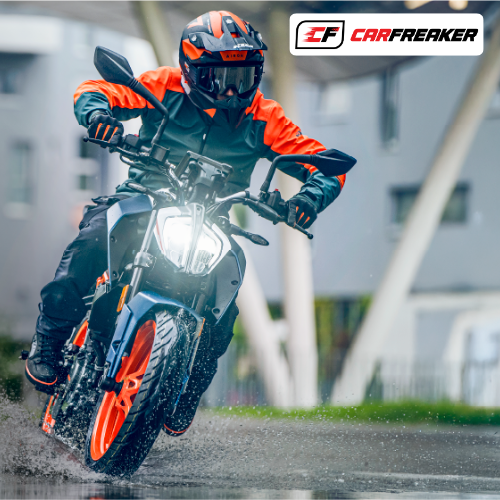
KTM Duke 160 2025: Why to Buy and Why Not?

The KTM Duke 160 (2025) has officially entered India as the brand’s new entry-level performance streetfighter. Priced at ₹1.85 lakh (ex-showroom), it is positioned against rivals like the Yamaha MT-15 and Pulsar NS160. But is the Duke 160 worth buying? Let’s explore the reasons to buy, reasons to skip, and why KTM has discontinued the Duke 125 and RC 125. Why to Buy the KTM Duke 160 (2025)? Powerful Engine and Performance The all-new 160cc liquid-cooled engine produces around 19–20 hp, making it more powerful than Yamaha MT-15 (18.4 hp). Built on KTM’s lightweight trellis frame with USD forks and monoshock suspension, the bike ensures sporty handling and stability. Modern Features The Duke 160 comes with dual-channel ABS, LCD display, LED headlamps, and premium hardware that make it a top-notch streetfighter. Despite being KTM’s most affordable model, it doesn’t compromise on performance DNA. Value for Money in Performance Segment At ₹1.85 lakh, the Duke 160 undercuts bigger bikes while offering better hardware and performance compared to its direct rivals in the 150–160cc class. Why Not to Buy the KTM Duke 160? Premium Pricing At its price point, budget-conscious buyers may still prefer options like Pulsar N160 or TVS Apache RTR 160, which are more affordable yet practical for daily use. Limited Service Network KTM’s service centers are still fewer compared to Yamaha and Bajaj, which means maintenance and spare part availability could be a challenge in smaller towns. No Long-Term Reviews Yet Since the Duke 160 is a new launch, its long-term reliability and ownership experience are still unknown. Why KTM Discontinued Duke 125 and RC 125 in India Declining Sales The KTM Duke 125 and RC 125 faced a massive drop in sales — from 230 units in January 2024 to just 17 units in January 2025. High pricing and tough competition played a key role in this decline. Emission Norms (OBD-2B) The models did not receive the mandatory OBD-2B emission update, which became effective from April 1, 2025. As a result, they could no longer be sold in India. Better Competitors at Lower Price At ₹1.81 lakh, the Duke 125 was more expensive than the Yamaha MT-15, which offered better performance and wider service support. This made the 125 models unattractive to buyers. KTM’s Strategy Shift KTM India is now focusing on 160cc and above models to align with its brand identity as a performance-oriented motorcycle maker. The Duke 160 fills the gap left by the discontinued 125 models. Quick Comparison Table Factor KTM Duke 160 (2025) Duke 125 / RC 125 (Discontinued) Engine Power ~19–20 hp ~14.3 hp Features ABS, LED, LCD Display, Premium Build Basic Features, Limited Updates Price (Ex-showroom) ₹1.85 lakh ₹1.81 lakh Compliance OBD-2B Ready Not OBD-2B Compliant Another key factor for bike buyers in 2025 is the upcoming E20 fuel rollout in India. Since the KTM Duke 160 (2025) will also run on ethanol-blended petrol, it’s important to understand how E20 fuel could impact mileage and long-term performance. You can read our detailed blog on the Supreme Court verdict on E20 fuel to know the full picture. For instant updates on the latest bike launches, fuel policies, and automotive news, you can follow us on Instagram and LinkedIn. We share quick insights, exclusive images, and breaking stories so you never miss an update. Stay connected with us for all things auto! Conclusion The KTM Duke 160 (2025) is a worthy replacement for the Duke 125, offering more power, better features, and a true KTM streetfighter feel at a competitive price. However, the premium tag and limited service network may not appeal to everyone. If you’re looking for a stylish, feature-packed performance bike in the 160cc segment, the Duke 160 is an exciting option. But if affordability and easy maintenance are your priorities, alternatives like Yamaha MT-15 or Pulsar N160 may suit you better. What do you think about KTM’s move to discontinue the 125 models? Share your thoughts in the comments below!

Supreme Court E20 ruling
Cars, News, Trending

Supreme Court on E20 Fuel: What the September 1, 2025 Verdict Means for India

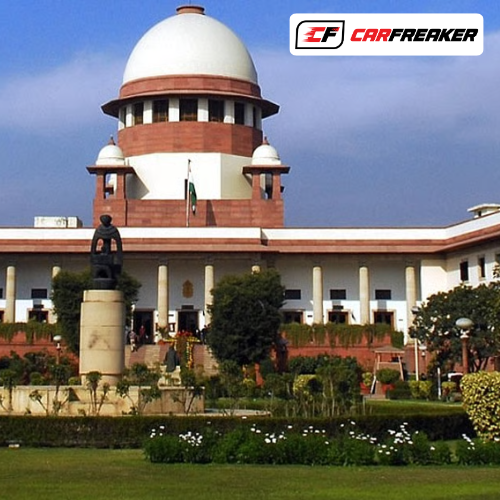
Supreme Court E20 Ruling: What It Means for Your Ride, Fuel Costs & India’s Green Push So yeah, the Supreme Court E20 ruling just changed the game. India’s switch to E20 fuel like new technology if i will say—20% ethanol, 80% petrol—is now official. No more debates, no more delays. We have been watching this closely, and honestly, it’s a big deal for car owners, bike riders, and the whole auto industry. What’s the Supreme Court E20 Ruling? On Sept 1, 2025, the Supreme Court dismissed a PIL that tried to stop the E20 rollout. The petition said older vehicles might not handle E20 well and that people should still have the option to buy ethanol-free petrol (E0). Also asked for clear ethanol labeling at pumps. But the court said nope. The court Chief Justice who is B.R. Gavai and Justice K. Vinod Chandran backed the government and They said that the rollout is part of a national strategy—it is good for farmers and good for the environment, also good for energy security. So yeah, E20 is now the default fuel across India. Timeline: How We Got Here (CarFraker’s Recap) Here’s a quick look, you can check this event and date in more detail 📅 Date 🔍 Event point Aug 2025 Around 90,000 fuel stations switched to E20. E5 and E10 phased out. Aug 29, 2025 Carmakers + oil companies called concerns “misinformation.” Said E20 is safe. Sept 1, 2025 Supreme Court dismissed PIL. No E0 option. E20 rollout gets full legal backing. Mileage Impact NITI Aayog: ~6% drop in older vehicles. SIAM: 2–4% drop but safe for new cars. CarFraker’s been hearing from users—some say their bikes feel sluggish, others say it’s fine. Real-world data will tell the full story. Why This Ruling Matters This ain’t just a court thing. It’s a full-on policy shift. Here’s why it matters: CarFraker thinks this puts India on the global green map. But Yeah, There Are Concerns The Supreme Court did admit there are issues. Just didn’t think they were big enough to stop the rollout. CarFraker’s advice? If your car or bike is older, check with your mechanic. Better safe than sorry. What the Industry’s Saying Mixed reactions all around: CarFraker’s been seeing this tug-of-war online. Some folks are adapting, others are frustrated. India vs The World: Where Do We Stand? India’s not the first to try ethanol blends. But it’s moving fast. India? Already there in 2025. That’s five years ahead of its own target. CarFraker calls that bold. Ethanol + EVs = India’s Green Combo The Supreme Court E20 ruling is just one piece. India’s also going big on EVs. PM Modi recently flagged off Maruti Suzuki’s electric car and opened a new battery plant. CarFraker covered that too—it’s clear the government wants cleaner transport, fast. Final Thoughts from CarFraker This ruling locks in E20 as the new normal. It backs the 2018 National Biofuel Policy and pushes automakers to make E20-ready vehicles faster. For drivers and riders, here’s what you should do: India’s taken a bold step. Now it’s up to us—consumers, automakers, and fuel providers—to keep up.

Cars, Electric, News, Trending

PM Modi Flags Off Maruti Suzuki Electric Car, Opens Battery Plant

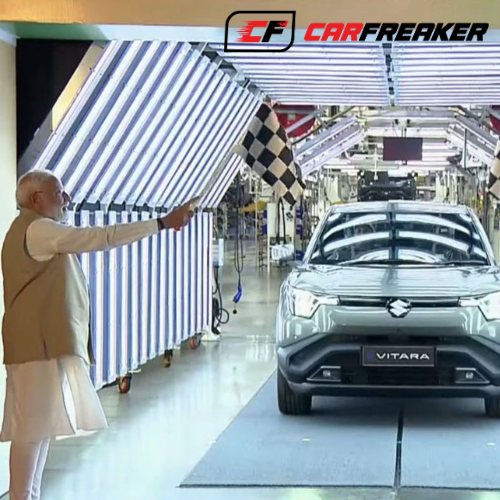
PM Modi Flags Off Maruti Suzuki’s Electric Car, Inaugurates Battery Plant in Ahmedabad India’s electric vehicle (EV) journey just hit another milestone. Prime Minister Narendra Modi flagged off Maruti Suzuki’s much-awaited electric car while also inaugurating the company’s state-of-the-art battery manufacturing plant in Ahmedabad, Gujarat. This landmark move promises to accelerate the shift toward sustainable mobility in India and marks a major step forward in the country’s green energy ambitions. Maruti Suzuki’s Electric Car Enters the EV Market For decades, Maruti Suzuki has been India’s most trusted carmaker. Known for producing reliable, affordable, and fuel-efficient vehicles, the brand has become a household name. With the launch of its first electric car, the company signals a new era of innovation and commitment to sustainability. This move is not just about launching a new car—it’s about reshaping how India thinks about mobility. By entering the EV space, Maruti Suzuki is making a bold statement: clean energy vehicles are no longer a niche product for the elite, but a practical solution for everyday Indians. Why Ahmedabad for the Battery Plant? Maruti Suzuki’s new plant in Hansalpur, Ahmedabad isn’t just about manufacturing batteries—it’s about building an ecosystem that supports the entire EV value chain. The choice of location is strategic and reflects a long-term vision. Key Reasons: The Hansalpur plant is expected to create thousands of jobs, both directly and indirectly. From engineers and technicians to logistics and support staff, the ripple effect on employment will be significant. Moreover, the plant will help reduce India’s dependence on imported batteries, boosting self-reliance under the Make in India initiative. PM Modi’s Push for Electric Mobility Prime Minister Narendra Modi has consistently emphasized the importance of electric mobility in India’s development strategy. During the inauguration, he stated that “India must lead the global EV revolution.” His government has rolled out several schemes to support this vision: These initiatives are aligned with India’s Net Zero 2070 climate goals. By promoting EVs, the government aims to reduce carbon emissions, improve air quality, and decrease reliance on fossil fuels. Benefits of Maruti Suzuki’s Electric Car for Indian Consumers 1. Affordability Maruti Suzuki has a long-standing reputation for making cars that are budget-friendly. Whether it’s the iconic Maruti 800 or the popular Alto, the brand has always catered to the middle class. The new electric car is expected to follow the same philosophy, making green mobility accessible to millions. 2. Low Running Costs Electric cars significantly reduce fuel expenses. With petrol prices constantly fluctuating, switching to an EV can lead to major savings over time. Maintenance costs are also lower since EVs have fewer moving parts compared to traditional internal combustion engine vehicles. 3. Sustainability EV adoption means reduced carbon emissions, cleaner air, and progress toward India’s green future. Every electric car on the road contributes to a healthier environment, especially in cities struggling with pollution. 4. Nationwide Service Network One of Maruti Suzuki’s biggest strengths is its extensive service network. With thousands of service centers across the country, maintaining an EV will be easier for early adopters. This is a major advantage over newer EV brands that are still building their support infrastructure. The Bigger Picture: India’s EV Market The Indian EV sector is expected to reach USD 113.99 billion by 2029. With Maruti Suzuki entering the field, the competition with Tata Motors, Mahindra, and MG Motor is set to heat up. This will likely lead to more innovation, better pricing, and improved features for consumers. EV Market Highlights: The entry of Maruti Suzuki into this space is expected to shake things up. With its brand trust, manufacturing scale, and customer reach, the company could become a dominant player in the EV segment. Challenges Ahead While the future looks bright, hurdles remain. Transitioning to electric mobility is a complex process that requires infrastructure, education, and policy support. Charging Infrastructure India still lacks adequate fast-charging stations. While metro cities are seeing some progress, rural and semi-urban areas need more investment. Without a reliable charging network, consumers may hesitate to switch to EVs. Battery Costs Despite local manufacturing, battery costs remain high. Lithium-ion batteries are expensive, and while prices are expected to drop over time, affordability remains a concern for many buyers. Consumer Awareness Many still hesitate to switch due to “range anxiety”—the fear that the car will run out of charge before reaching a destination. Educating consumers about EV capabilities, charging options, and maintenance is crucial for widespread adoption. E20 Fuel Rollout and Its Impact Another key factor for bike buyers in 2025 is the upcoming E20 fuel rollout in India. E20 fuel is a blend of 20% ethanol and 80% petrol. It’s part of the government’s plan to reduce carbon emissions and promote biofuels. The KTM Duke 160 (2025) will also run on ethanol-blended petrol. While this is a step toward sustainability, it’s important to understand how E20 fuel could impact mileage and long-term performance. Ethanol burns cleaner but can affect engine efficiency if not optimized properly. You can read our detailed blog on the Supreme Court verdict on E20 fuel to know the full picture. It covers everything from environmental impact to technical challenges and consumer rights. For instant updates on the latest bike launches, fuel policies, and automotive news, you can follow us on Instagram and LinkedIn. We share quick insights, exclusive images, and breaking stories so you never miss an update. Stay connected with us for all things auto! Another key factor for bike buyers in 2025 is the upcoming E20 fuel rollout in India. Since the KTM Duke 160 (2025) will also run on ethanol-blended petrol, it’s important to understand how E20 fuel could impact mileage and long-term performance. You can read our detailed blog on the Supreme Court verdict on E20 fuel to know the full picture. Conclusion: A Turning Point for Indian Mobility PM Modi’s inauguration of Maruti Suzuki’s first electric car and battery plant in Ahmedabad is more than just a corporate milestone—it’s a signal that India is ready to lead in the global EV revolution.

E20 Fuel in India: Advantages, Disadvantages & Government View
Bikes, Cars, News, Trending

E20 Fuel in India: Advantages, Disadvantages & Government View

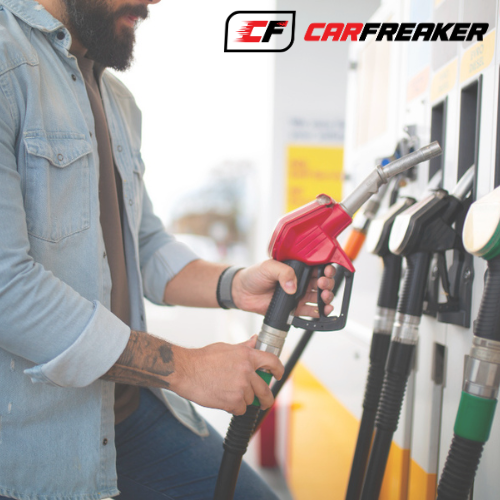
The Indian automotive industry is undergoing a major transformation with the government’s push toward E20 fuel—a petrol blend containing 20% ethanol and 80% petrol. This shift aims to reduce oil imports, cut carbon emissions, and support local farmers. But as exciting as it sounds, many car and bike owners are wondering about the advantages and disadvantages of E20 fuel in India and what the government’s vision really means for the future of mobility. What is E20 Fuel? E20 fuel is a blend of 20% ethanol and 80% petrol. Ethanol is an eco-friendly biofuel produced mainly from crops like sugarcane, corn, and grains. India has already adopted E10 (10% ethanol blend) in most fuel stations, and E20 is the next step in the country’s renewable energy roadmap. Advantages of E20 Fuel in India Switching to E20 fuel comes with multiple benefits for the economy, environment, and society. 1. Reduces Oil Imports India spends billions importing crude oil. By using ethanol from local crops, we can cut dependence on foreign oil and save valuable foreign exchange. 2. Eco-Friendly Fuel Ethanol is a cleaner-burning fuel that produces lower carbon monoxide and greenhouse gas emissions. This helps in controlling urban air pollution. 3. Boosts Farmer Income Since ethanol is made from sugarcane, maize, and grains, farmers will have a new revenue stream, reducing their dependence on uncertain crop markets. 4. Supports Renewable Energy Goals India aims to achieve net-zero emissions by 2070. Ethanol blending is a major step toward achieving sustainable mobility. Disadvantages of E20 Fuel in India While E20 has many positives, it also comes with challenges that car and bike owners should know about. 1. Vehicle Compatibility Issues Not all vehicles are designed to run on E20. Older engines may face problems such as reduced efficiency, corrosion of fuel lines, and starting issues. 2. Drop in Fuel Efficiency Ethanol has a lower calorific value than petrol. This means vehicles running on E20 may deliver slightly lower mileage compared to regular petrol. 3. Limited Availability of Ethanol India needs massive ethanol production to meet the demand. This requires better infrastructure, advanced refineries, and sustainable farming practices. 4. Food vs. Fuel Debate Diverting food crops like sugarcane and maize for fuel production may raise concerns about food security if not managed properly. Government’s View on E20 Fuel in India The Indian government strongly supports E20 fuel adoption. According to the National Policy on Biofuels, India aims to roll out E20 nationwide by 2025–26. Should You Use E20 Fuel in Your Car or Bike? If your vehicle is E20-compatible (check manufacturer details), you can safely use it. For older vehicles, consult the service manual or dealer before switching. Some models may only support E10 for now. Future of E20 Fuel in India The shift to E20 is not just about fuel—it’s about reshaping India’s transport future. With automakers developing ethanol-ready vehicles and fuel stations upgrading infrastructure, the road to greener mobility looks promising. However, success depends on balancing ethanol production with food security, ensuring fair farmer compensation, and upgrading older vehicles. Key Takeaways Conclusion E20 fuel is a big step in India’s journey toward clean and self-reliant energy. While there are challenges, the long-term benefits for the economy, environment, and farmers are undeniable. Are you ready to shift to greener fuel? 🚗💨 👉 Share your thoughts in the comments below. Craving more auto buzz, insider scoops, and live updates from the world of wheels? Head over to CarFreaker on Instagram for eye-catching visuals, engaging reels, and a peek into our vibrant community. For deeper dives into industry trends, expert opinions, and the latest developments, join us on LinkedIn—where India’s automotive future is being shaped, one conversation at a time.

Scroll to Top