India’s Ultimate Car & Bike News Hub

Cars

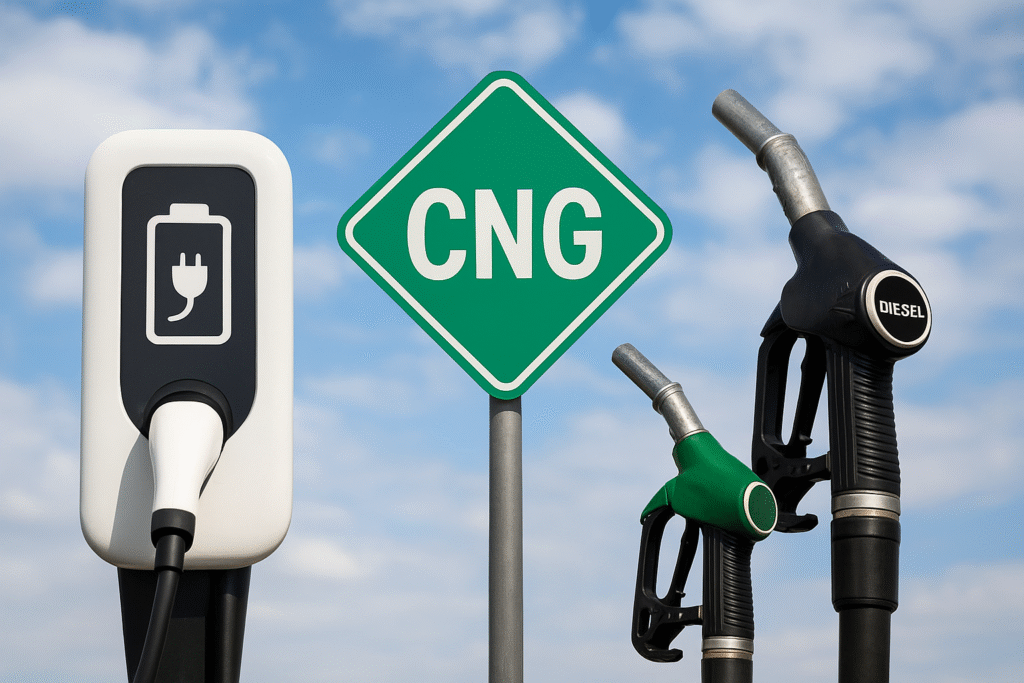
EV vs CNG vs Diesel in India (2025)
Cars, News, Reviews

EV vs CNG vs Diesel in India (2025): What High-Mileage Drivers (80+ km/day) Should Choose

If your daily running is 80–150 km (or more), fuel costs compound fast. Below I compare realistic per-km costs, ownership trade-offs, and what actual owners are saying, then wrap with clear recommendations. What people are saying (owner & expert chatter) Today’s running-cost basics (India, Sept 2025) Assumptions for fair comparisons Per-km running cost (fuel/energy only) Fuel Inputs Cost / km (typical) Range of outcomes EV (home charging) ₹8/kWh; 9.5 km/kWh ~₹0.84/km ~₹0.60–₹1.15/km (₹6–₹10/kWh; 8–11.5 km/kWh) EV (public DC fast) ₹20/kWh; 9.5 km/kWh ~₹2.10/km ~₹1.60–₹2.75/km (₹18–₹22/kWh) CNG ₹85/kg; 24 km/kg ~₹3.54/km ~₹2.7–₹4.8/km (₹76–₹96/kg; 20–28 km/kg) Diesel ₹87.7/l; 20 km/l ~₹4.38/km ~₹3.98–₹4.87/km (18–22 km/l; city vs highway) Takeaway: EV (home-charged) is the cheapest per km by a wide margin, followed by CNG, then diesel. If you rely mostly on public DC, EV cost rises but usually still under diesel. Annual fuel/energy spend for 80 km/day Fuel 80 km/day × 300 days = 24,000 km/yr 120 km/day × 300 days = 36,000 km/yr EV (home) ₹20.2k/yr ₹30.2k/yr EV (mostly DC) ₹50.4k/yr ₹75.6k/yr CNG ₹85.0k/yr ₹127.6k/yr Diesel ₹105.1k/yr ₹157.6k/yr Beyond running cost: the hidden factors Upfront price & payback Energy/fuel availability & convenience Maintenance & reliability Policy & resale Real-world owner snippets (short quotes) “Hybrids are proving much better for me… high mileage, silent, no range anxiety.” — Team-BHP member (2025) “The biggest advantages I see for an EV are ₹1/km running cost over ~₹3 for CNG, plus home charging.” — Team-BHP member (2024) (Quotes shortened to stay within fair-use limits.) Head-to-head: Which suits 80+ km/day best? Use case Winner Why City-heavy 80–150 km/day, home parking with power EV Cheapest per km, silent, low maintenance; public DC only for trips. City + short highway, CNG station nearby CNG Very economical, quick refuels; watch boot space & station queues. Frequent highways, heavy loads, no home charging nor CNG nearby Diesel Best torque & efficiency at speed; widespread fueling; policy risk in NCR. Apartment living + no personal charger + sparse public network CNG or Diesel Until charging access improves, EV savings may not materialize. Model-agnostic TCO pointers (for your spreadsheet) Conclusion (clear verdict) For instant updates on the latest bike launches, fuel policies, and automotive news, you can follow us on Instagram and LinkedIn. We share quick insights, exclusive images, and breaking stories so you never miss an update. Stay connected with us for all things auto! As India slashes GST on vehicles, another pivotal development is reshaping the country’s transportation landscape—the Supreme Court has upheld the E20 petrol policy, allowing mandatory use of 20% ethanol-blended fuel nationwide. This ruling reinforces India’s clean fuel drive while raising important questions about compatibility with older vehicles and consumer choice India’s Ultimate Car & Bike News Hub. Read the full breakdown here for essential context on how these fuel and tax shifts intersect.

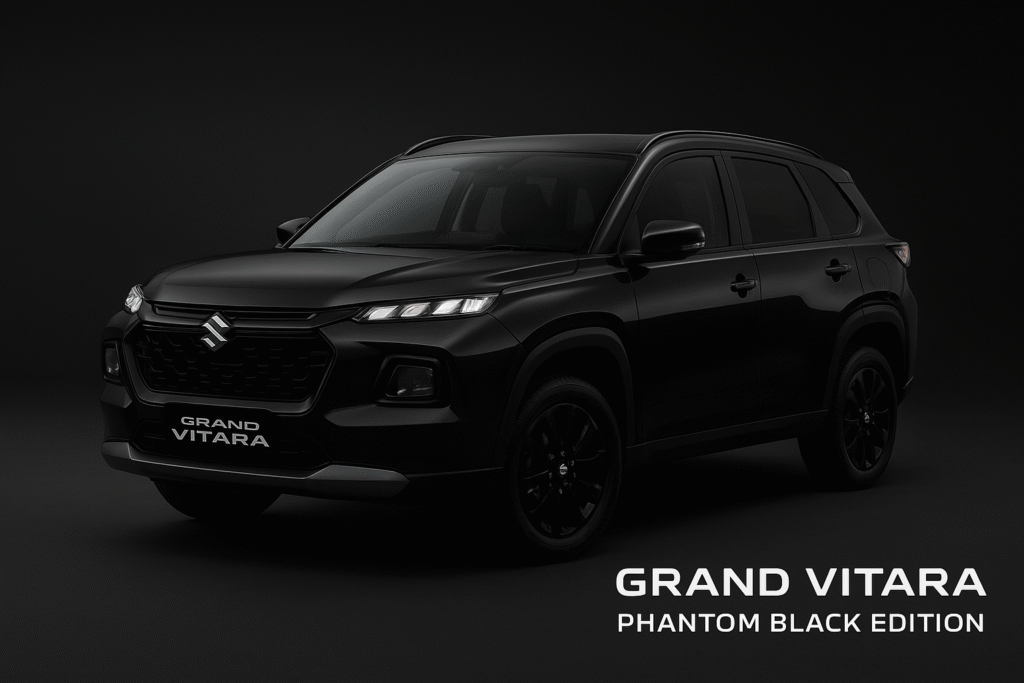
Grand Vitara Phantom Black Edition India launch
Cars, News

Grand Vitara Phantom Black Edition: The Bold All-Black SUV from Maruti Suzuki

Maruti Suzuki celebrates NEXA’s 10th anniversary with the exclusive Grand Vitara Phantom Blaq Edition—a stealth, matte-black upgrade to its acclaimed hybrid SUV. Here’s a deep dive into what sets it apart, comparisons, and whether this should become a broader trend. What’s Special in the Phantom Blaq Edition? Why You Should Consider the Phantom Blaq Edition Why It Might Not Be the Right Fit Comparison: Phantom Blaq vs Other Brand Black Editions Feature Grand Vitara Phantom Blaq Other Brand “Black Editions” (e.g., Seltos X-Line, Kushaq Carbon Grey) Exterior Finish Matte Black with full blackout Often gloss black or dark trims over standard paint Availability Limited, top Alpha+ Hybrid only Varies—usually cosmetic on mass-market trims Interior Styling Black + champagne gold accents Usually standard interiors with black trims Powertrain Hybrid efficiency (27.9 kmpl) Typically same engines without hybrid at premium Feature Set Loaded (HUD, 360°, etc.) Features vary—may be less loaded or similar depending on model Exclusivity High Medium—often broader release across trims Phantom Blaq vs Grand Vitara Regular Color Options Should Maruti Suzuki Offer ‘Dark Editions’ Across the Lineup? Yes—if done selectively. Why It Makes Sense: But—be mindful of: Final Take The Grand Vitara Phantom Blaq Edition isn’t just another color option—it’s a statement of quiet confidence, premium expression, and hybrid sophistication. Its limited availability and discreet luxury make it compelling for buyers seeking exclusivity. But for the pragmatic SUV shopper, the standard Grand Vitara still offers tremendous value. As for Maruti, thoughtfully rolling out dark editions across select models can elevate the brand’s premium cache without massive investment—but overdoing it risks turning standout editions into clichés. As India slashes GST on vehicles, another pivotal development is reshaping the country’s transportation landscape—the Supreme Court has upheld the E20 petrol policy, allowing mandatory use of 20% ethanol-blended fuel nationwide. This ruling reinforces India’s clean fuel drive while raising important questions about compatibility with older vehicles and consumer choice The Times of India ReutersIndia’s Ultimate Car & Bike News Hub. Read the full breakdown here for essential context on how these fuel and tax shifts intersect. For instant updates on the latest bike launches, fuel policies, and automotive news, you can follow us on Instagram and LinkedIn. We share quick insights, exclusive images, and breaking stories so you never miss an update. Stay connected with us for all things auto!

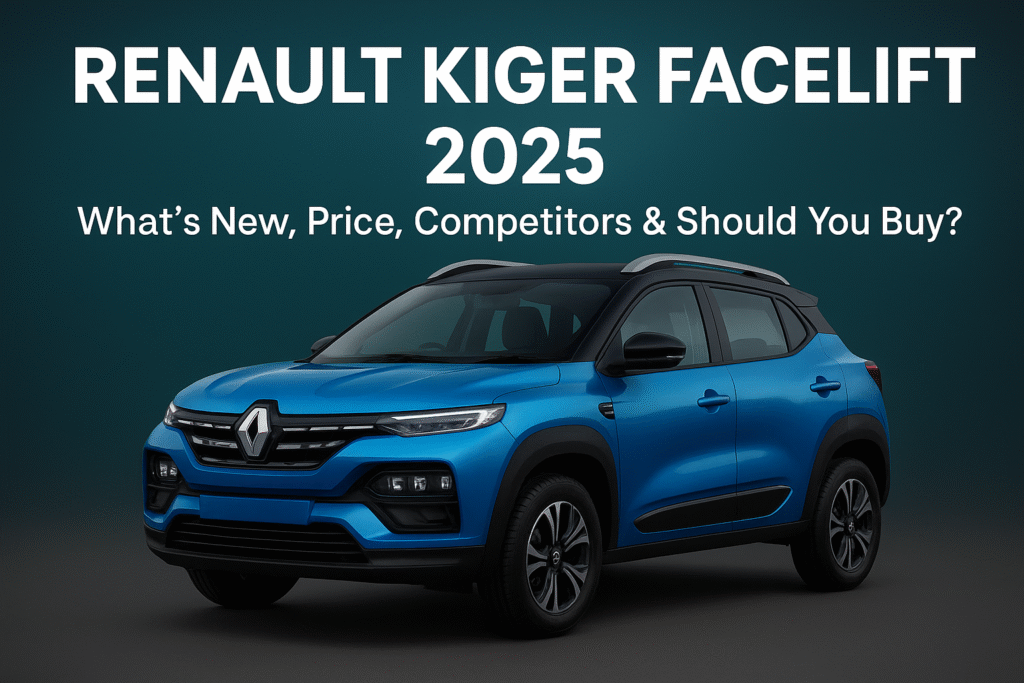
Renault Kiger Facelift 2025 What’s New, Price, Competitors & Should You Buy
Cars, News, Uncategorized

Renault Kiger Facelift 2025: What’s New, Price, Competitors & Should You Buy?

The Renault Kiger facelift 2025 brings refreshed styling, upgraded cabin features, and enhanced safety—without compromising on value. Let’s explore all the changes, variant pricing, how it stacks up against rivals, and whether it’s the right choice for you. What’s New in the Renault Kiger Facelift? Variant-wise Price List (Ex-showroom, India) Variant (Trim) Price (₹ lakh) Authentic (NA MT) 6.29 Evolution (NA MT) 7.09 Evolution (NA AMT) ~7.59 Techno (NA MT) 8.19 Techno (NA AMT) ~8.69 Emotion (NA MT) 9.14 Techno Turbo CVT 9.99 Emotion Turbo MT / CVT 9.99 – 11.29 Old vs New: Quick Feature Comparison Feature / Spec Pre-Facelift Kiger 2025 Facelift Kiger Front Grille & Logo Earlier logo, simpler grille New logo & refreshed design Headlamps / Lighting Basic setups Split LEDs, LED fog lamps Interior Quality Standard trims Dual-tone dashboard, ventilated seats Safety Kit 2–4 airbags (variant-specific) 6 airbags standard, ESP, TPMS Tech Features Basic Infotainment Floating screen, 360-view camera Noise Insulation Standard Significantly improved Engines / Performance 1.0L NA & Turbo Retained, same performance figures Price (Base) ~₹6.15 lakh ~₹6.29 lakh (₹14,000 increase) Key Competitors in the Segment Why Choose the Renault Kiger Facelift? Potential Drawbacks & Why You May Wait Verdict: Is the Renault Kiger Facelift Worth It? If you’re after a feature-rich, safety-focused compact SUV with updated styling and strong value under ₹12 lakh, the Renault Kiger facelift is a solid pick. However, if you seek ADAS technology or larger screens—rivals like the Mahindra XUV 3XO or Kia Sonet may hold more appeal. If you’re exploring how the Renault Kiger Facelift 2025 stacks up in India’s evolving automotive landscape, be sure to check out our other in-depth analyses: the bold new Hyundai Creta King Variants, the impact of India’s GST revision on cars and bikes, the tech-savvy Maruti Suzuki Victoris, and the latest on clean-fuel policy with the Supreme Court ruling on E20 fuel. Each offers a fresh lens on the auto industry’s shifts—insights you’ll want before your next vehicle decision. For instant updates on the latest bike launches, fuel policies, and automotive news, you can follow us on Instagram and LinkedIn. We share quick insights, exclusive images, and breaking stories so you never miss an update. Stay connected with us for all things auto!

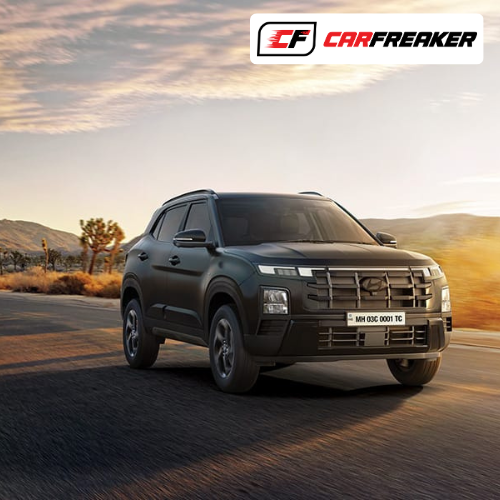
Hyundai Creta King Variants: King, King Knight & King Limited Edition Explored
Cars, News

Hyundai Creta King Variants: King, King Knight & King Limited Edition Explored

Hyundai has launched the all-new Hyundai Creta King variants, including the King, Knight, and Limited Edition, to strengthen its SUV lineup in 2025. What’s New in the Creta King Variants? Hyundai has loaded the Creta King range with premium upgrades to celebrate a decade of success. Here’s a breakdown: Creta King Creta King Knight Creta King Limited Edition Pricing (Ex-showroom, India) Variant Starting Price Creta King ₹17.88–20.61 lakh Creta King Knight ₹19.49–20.77 lakh Creta King Limited ED ₹19.64–20.92 lakh Why Choose These King Variants? Why You Might Wait or Skip Them Competitor Comparison Feature / Variant Creta King Variants Tata Harrier / Safari Kia Seltos GT Line Price Range (₹ lakh) 17.9 – 20.9 17–22 (Harrier) 17–21 Premium Add-ons Yes (tech + styling) Limited GT styling only Unique Interiors King branding / all-black No No Wireless Connectivity Yes No Limited Comfort Features Dual-zone AC, power seats Yes Yes Image/Exclusivity Factor Strong (anniversary trims) Moderate Moderate Final Verdict: Should You Go for It? ** Grab it if** you want a stylish, well-equipped festively-priced Creta with added comfort, exclusivity, and tech.** Hold off if** you prefer better value in base variants or if accessories-heavy upgrades don’t justify the price for your use case. Conclusion If you’re looking for an SUV that blends premium aesthetics, thoughtful tech additions, and exclusivity for India’s biggest selling midsize SUV—the Hyundai Creta King variants are hard to ignore. Just weigh whether the added price matches the value you place on comfort and style. Stay ahead with instant updates on bike launches, fuel policies, and automotive news by following us on Instagram and LinkedIn. From exclusive images to quick insights and breaking stories, we bring you everything you need to know. Stay connected with us for all things on wheels!

GST revision on cars and bikes
Bikes, Cars, News, Trending

GST Revision on Cars and Bikes 2025 – What It Means for You

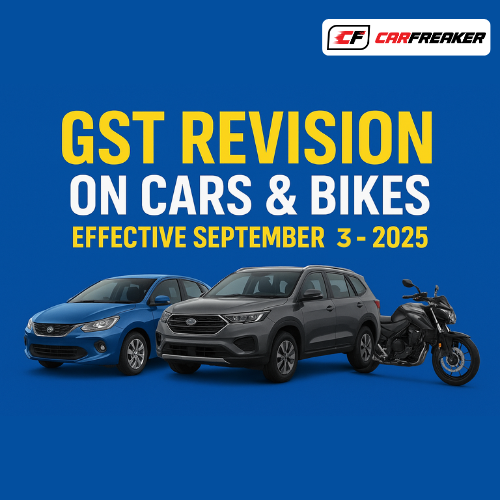
GST Revision on Cars and Bikes: What It Means for You 🚗🏍️ On 3rd September 2025, India announced a major GST revision on cars and bikes. This change is great news for buyers. Prices are now lower across hatchbacks, SUVs, and two-wheelers. At Carfreaker, we’ve broken down the new tax rates, real savings, and what it means for you. 📉 Old vs New GST Rates on Cars Earlier, car taxes were high—up to 28% plus cess. Now, most vehicles are taxed at 18%. That means big savings. Real Examples: Maruti Baleno (Hatchback) Hyundai Creta (Midsize SUV) 🏍️ GST Revision on Bikes The GST revision on cars and bikes also benefits two-wheelers. Bikes under 350cc saw the biggest drop. Hero Splendor Plus Royal Enfield Classic 350 Kawasaki Ninja 650 (Premium Bike) 🌍 How India Compares Globally Even after the GST revision on cars and bikes, India’s taxes are still higher than some countries—but much better than before. Country Tax Rate India 18% USA 7–10% UK 20% Germany 19% Thailand ~12% 📊 Quick Price Comparison Segment Model Old Price New Price Savings Hatchback Maruti Baleno ₹9.05L ₹8.26L ₹79K SUV Hyundai Creta ₹18.85L ₹15.34L ₹3.5L Full SUV Toyota Fortuner ₹52.5L ₹41.3L ₹11.2L Entry Bike Splendor Plus ₹1.02L ₹94.4K ₹7.6K Mid Bike Classic 350 ₹2.56L ₹2.36L ₹20K Premium Bike Ninja 650 ₹10.15L ₹9.8L ₹35K 🔗 Supreme Court & E20 Fuel Policy Alongside the GST revision on cars and bikes, the Supreme Court approved the E20 fuel mandate. This means 20% ethanol-blended petrol will be used across India. It supports cleaner fuel and goes hand-in-hand with lower vehicle costs. But it also raises questions about older vehicle compatibility. ✅ What This Means for Buyers Good News: Things to Note: Final Thoughts from Carfreaker The GST revision on cars and bikes is a big win for Indian buyers. If you’ve been waiting to upgrade, now’s a smart time. Lower prices and cleaner fuel policies make this a turning point for the auto industry. 📲 For updates on new launches, fuel rules, and car news, follow Carfreaker on:

Maruti Suzuki Victoris: Price, Features, Competitors & 5-Star Bharat NCAP Rating
Cars, News, Safety

Maruti Suzuki Victoris: Price, Features, Competitors & 5-Star Bharat NCAP Rating

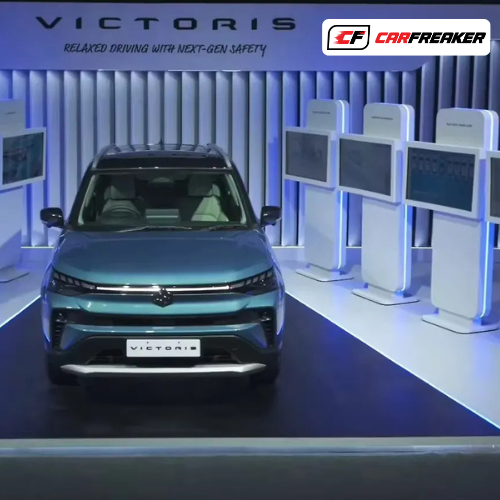
The Maruti Suzuki Victoris has taken the Indian car market by storm. With its 5-star Bharat NCAP safety rating, modern features, and competitive pricing, it has quickly become a top choice for families and first-time buyers. But is it really worth your money? Let’s dive into its features, price, competitors, and pros & cons. Key Features of Maruti Suzuki Victoris The Victoris is designed to combine safety, performance, and affordability, making it one of the most practical cars in its segment. Maruti Suzuki Victoris Price in India The ex-showroom price of the Maruti Suzuki Victoris in India starts at ₹9.99 lakhs and goes up to ₹15.49 lakhs (depending on the variant). Competitors of Maruti Suzuki Victoris The Victoris competes in the compact SUV and premium hatchback segment, going head-to-head with popular models like: Why Buy Maruti Suzuki Victoris? Why Not Buy Maruti Suzuki Victoris? Maruti Suzuki Victoris vs Competitors (Comparison Table) Feature / Car Maruti Suzuki Victoris Tata Nexon Hyundai Venue Kia Sonet Price Range ₹9.99–15.49 L ₹8–15 L ₹8–15 L ₹8–15 L Safety Rating ⭐⭐⭐⭐⭐ (Bharat NCAP) ⭐⭐⭐⭐ (GNCAP) ⭐⭐⭐⭐ (GNCAP) ⭐⭐⭐⭐ (GNCAP) Mileage 20–24 km/l 17–21 km/l 17–21 km/l 17–22 km/l Engine Power 1.5L Petrol (103 PS) 1.2L / 1.5L 1.2L / 1.5L 1.2L / 1.5L Top Features 360° Camera, 6 Airbags EV Option Wireless CarPlay Bose Sound Resale & Service Excellent (Maruti) Good Good Good Conclusion: Should You Buy Maruti Suzuki Victoris? The Maruti Suzuki Victoris strikes a fine balance between safety, mileage, and affordability. With its 5-star Bharat NCAP rating, it is one of the safest cars in its class, making it a solid family choice. 👉 Buy it if you want a safe, reliable, fuel-efficient SUV with wide service support.👉 Avoid it if you prefer high performance, luxury features, or an electric option. Overall, the Victoris is a practical car for Indian families, and its safety-first design makes it stand out in today’s competitive market. 💬 What’s your take on the new Maruti Suzuki Victoris? Comment below For instant updates on the latest bike launches, fuel policies, and automotive news, you can follow us on Instagram and LinkedIn. We share quick insights, exclusive images, and breaking stories so you never miss an update. Stay connected with us for all things auto! If you’re following Maruti Suzuki’s latest innovations, you’ll also be interested in their big leap into the EV space. Recently, PM Modi flagged off Maruti Suzuki’s first electric car and inaugurated the company’s new battery manufacturing plant in Ahmedabad, marking a milestone for India’s clean mobility future. You can read the full coverage here to understand how Maruti is shaping the next era of sustainable cars alongside launches like the Victoris.

Supreme Court E20 ruling
Cars, News, Trending

Supreme Court on E20 Fuel: What the September 1, 2025 Verdict Means for India

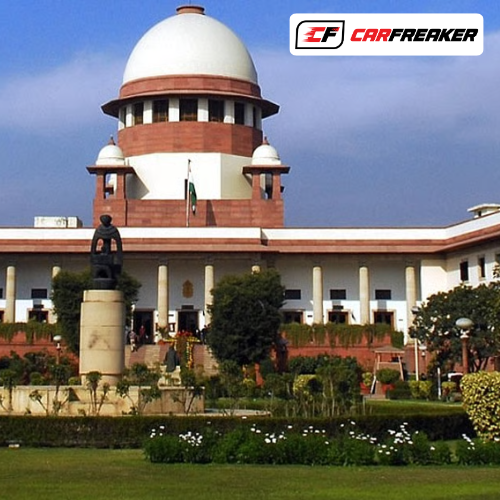
Supreme Court E20 Ruling: What It Means for Your Ride, Fuel Costs & India’s Green Push So yeah, the Supreme Court E20 ruling just changed the game. India’s switch to E20 fuel like new technology if i will say—20% ethanol, 80% petrol—is now official. No more debates, no more delays. We have been watching this closely, and honestly, it’s a big deal for car owners, bike riders, and the whole auto industry. What’s the Supreme Court E20 Ruling? On Sept 1, 2025, the Supreme Court dismissed a PIL that tried to stop the E20 rollout. The petition said older vehicles might not handle E20 well and that people should still have the option to buy ethanol-free petrol (E0). Also asked for clear ethanol labeling at pumps. But the court said nope. The court Chief Justice who is B.R. Gavai and Justice K. Vinod Chandran backed the government and They said that the rollout is part of a national strategy—it is good for farmers and good for the environment, also good for energy security. So yeah, E20 is now the default fuel across India. Timeline: How We Got Here (CarFraker’s Recap) Here’s a quick look, you can check this event and date in more detail 📅 Date 🔍 Event point Aug 2025 Around 90,000 fuel stations switched to E20. E5 and E10 phased out. Aug 29, 2025 Carmakers + oil companies called concerns “misinformation.” Said E20 is safe. Sept 1, 2025 Supreme Court dismissed PIL. No E0 option. E20 rollout gets full legal backing. Mileage Impact NITI Aayog: ~6% drop in older vehicles. SIAM: 2–4% drop but safe for new cars. CarFraker’s been hearing from users—some say their bikes feel sluggish, others say it’s fine. Real-world data will tell the full story. Why This Ruling Matters This ain’t just a court thing. It’s a full-on policy shift. Here’s why it matters: CarFraker thinks this puts India on the global green map. But Yeah, There Are Concerns The Supreme Court did admit there are issues. Just didn’t think they were big enough to stop the rollout. CarFraker’s advice? If your car or bike is older, check with your mechanic. Better safe than sorry. What the Industry’s Saying Mixed reactions all around: CarFraker’s been seeing this tug-of-war online. Some folks are adapting, others are frustrated. India vs The World: Where Do We Stand? India’s not the first to try ethanol blends. But it’s moving fast. India? Already there in 2025. That’s five years ahead of its own target. CarFraker calls that bold. Ethanol + EVs = India’s Green Combo The Supreme Court E20 ruling is just one piece. India’s also going big on EVs. PM Modi recently flagged off Maruti Suzuki’s electric car and opened a new battery plant. CarFraker covered that too—it’s clear the government wants cleaner transport, fast. Final Thoughts from CarFraker This ruling locks in E20 as the new normal. It backs the 2018 National Biofuel Policy and pushes automakers to make E20-ready vehicles faster. For drivers and riders, here’s what you should do: India’s taken a bold step. Now it’s up to us—consumers, automakers, and fuel providers—to keep up.

Cars, Electric, News, Trending

PM Modi Flags Off Maruti Suzuki Electric Car, Opens Battery Plant

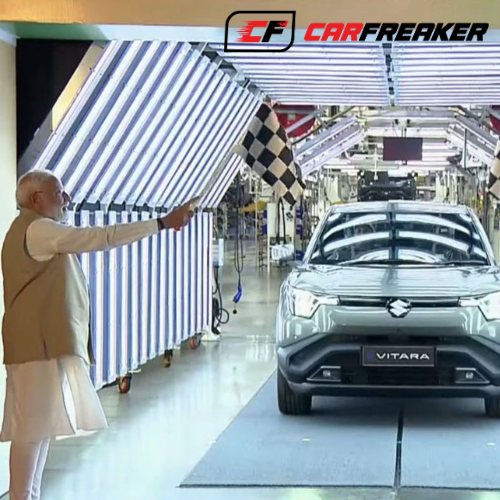
PM Modi Flags Off Maruti Suzuki’s Electric Car, Inaugurates Battery Plant in Ahmedabad India’s electric vehicle (EV) journey just hit another milestone. Prime Minister Narendra Modi flagged off Maruti Suzuki’s much-awaited electric car while also inaugurating the company’s state-of-the-art battery manufacturing plant in Ahmedabad, Gujarat. This landmark move promises to accelerate the shift toward sustainable mobility in India and marks a major step forward in the country’s green energy ambitions. Maruti Suzuki’s Electric Car Enters the EV Market For decades, Maruti Suzuki has been India’s most trusted carmaker. Known for producing reliable, affordable, and fuel-efficient vehicles, the brand has become a household name. With the launch of its first electric car, the company signals a new era of innovation and commitment to sustainability. This move is not just about launching a new car—it’s about reshaping how India thinks about mobility. By entering the EV space, Maruti Suzuki is making a bold statement: clean energy vehicles are no longer a niche product for the elite, but a practical solution for everyday Indians. Why Ahmedabad for the Battery Plant? Maruti Suzuki’s new plant in Hansalpur, Ahmedabad isn’t just about manufacturing batteries—it’s about building an ecosystem that supports the entire EV value chain. The choice of location is strategic and reflects a long-term vision. Key Reasons: The Hansalpur plant is expected to create thousands of jobs, both directly and indirectly. From engineers and technicians to logistics and support staff, the ripple effect on employment will be significant. Moreover, the plant will help reduce India’s dependence on imported batteries, boosting self-reliance under the Make in India initiative. PM Modi’s Push for Electric Mobility Prime Minister Narendra Modi has consistently emphasized the importance of electric mobility in India’s development strategy. During the inauguration, he stated that “India must lead the global EV revolution.” His government has rolled out several schemes to support this vision: These initiatives are aligned with India’s Net Zero 2070 climate goals. By promoting EVs, the government aims to reduce carbon emissions, improve air quality, and decrease reliance on fossil fuels. Benefits of Maruti Suzuki’s Electric Car for Indian Consumers 1. Affordability Maruti Suzuki has a long-standing reputation for making cars that are budget-friendly. Whether it’s the iconic Maruti 800 or the popular Alto, the brand has always catered to the middle class. The new electric car is expected to follow the same philosophy, making green mobility accessible to millions. 2. Low Running Costs Electric cars significantly reduce fuel expenses. With petrol prices constantly fluctuating, switching to an EV can lead to major savings over time. Maintenance costs are also lower since EVs have fewer moving parts compared to traditional internal combustion engine vehicles. 3. Sustainability EV adoption means reduced carbon emissions, cleaner air, and progress toward India’s green future. Every electric car on the road contributes to a healthier environment, especially in cities struggling with pollution. 4. Nationwide Service Network One of Maruti Suzuki’s biggest strengths is its extensive service network. With thousands of service centers across the country, maintaining an EV will be easier for early adopters. This is a major advantage over newer EV brands that are still building their support infrastructure. The Bigger Picture: India’s EV Market The Indian EV sector is expected to reach USD 113.99 billion by 2029. With Maruti Suzuki entering the field, the competition with Tata Motors, Mahindra, and MG Motor is set to heat up. This will likely lead to more innovation, better pricing, and improved features for consumers. EV Market Highlights: The entry of Maruti Suzuki into this space is expected to shake things up. With its brand trust, manufacturing scale, and customer reach, the company could become a dominant player in the EV segment. Challenges Ahead While the future looks bright, hurdles remain. Transitioning to electric mobility is a complex process that requires infrastructure, education, and policy support. Charging Infrastructure India still lacks adequate fast-charging stations. While metro cities are seeing some progress, rural and semi-urban areas need more investment. Without a reliable charging network, consumers may hesitate to switch to EVs. Battery Costs Despite local manufacturing, battery costs remain high. Lithium-ion batteries are expensive, and while prices are expected to drop over time, affordability remains a concern for many buyers. Consumer Awareness Many still hesitate to switch due to “range anxiety”—the fear that the car will run out of charge before reaching a destination. Educating consumers about EV capabilities, charging options, and maintenance is crucial for widespread adoption. E20 Fuel Rollout and Its Impact Another key factor for bike buyers in 2025 is the upcoming E20 fuel rollout in India. E20 fuel is a blend of 20% ethanol and 80% petrol. It’s part of the government’s plan to reduce carbon emissions and promote biofuels. The KTM Duke 160 (2025) will also run on ethanol-blended petrol. While this is a step toward sustainability, it’s important to understand how E20 fuel could impact mileage and long-term performance. Ethanol burns cleaner but can affect engine efficiency if not optimized properly. You can read our detailed blog on the Supreme Court verdict on E20 fuel to know the full picture. It covers everything from environmental impact to technical challenges and consumer rights. For instant updates on the latest bike launches, fuel policies, and automotive news, you can follow us on Instagram and LinkedIn. We share quick insights, exclusive images, and breaking stories so you never miss an update. Stay connected with us for all things auto! Another key factor for bike buyers in 2025 is the upcoming E20 fuel rollout in India. Since the KTM Duke 160 (2025) will also run on ethanol-blended petrol, it’s important to understand how E20 fuel could impact mileage and long-term performance. You can read our detailed blog on the Supreme Court verdict on E20 fuel to know the full picture. Conclusion: A Turning Point for Indian Mobility PM Modi’s inauguration of Maruti Suzuki’s first electric car and battery plant in Ahmedabad is more than just a corporate milestone—it’s a signal that India is ready to lead in the global EV revolution.

E20 Fuel in India: Advantages, Disadvantages & Government View
Bikes, Cars, News, Trending

E20 Fuel in India: Advantages, Disadvantages & Government View

The Indian automotive industry is undergoing a major transformation with the government’s push toward E20 fuel—a petrol blend containing 20% ethanol and 80% petrol. This shift aims to reduce oil imports, cut carbon emissions, and support local farmers. But as exciting as it sounds, many car and bike owners are wondering about the advantages and disadvantages of E20 fuel in India and what the government’s vision really means for the future of mobility. What is E20 Fuel? E20 fuel is a blend of 20% ethanol and 80% petrol. Ethanol is an eco-friendly biofuel produced mainly from crops like sugarcane, corn, and grains. India has already adopted E10 (10% ethanol blend) in most fuel stations, and E20 is the next step in the country’s renewable energy roadmap. Advantages of E20 Fuel in India Switching to E20 fuel comes with multiple benefits for the economy, environment, and society. 1. Reduces Oil Imports India spends billions importing crude oil. By using ethanol from local crops, we can cut dependence on foreign oil and save valuable foreign exchange. 2. Eco-Friendly Fuel Ethanol is a cleaner-burning fuel that produces lower carbon monoxide and greenhouse gas emissions. This helps in controlling urban air pollution. 3. Boosts Farmer Income Since ethanol is made from sugarcane, maize, and grains, farmers will have a new revenue stream, reducing their dependence on uncertain crop markets. 4. Supports Renewable Energy Goals India aims to achieve net-zero emissions by 2070. Ethanol blending is a major step toward achieving sustainable mobility. Disadvantages of E20 Fuel in India While E20 has many positives, it also comes with challenges that car and bike owners should know about. 1. Vehicle Compatibility Issues Not all vehicles are designed to run on E20. Older engines may face problems such as reduced efficiency, corrosion of fuel lines, and starting issues. 2. Drop in Fuel Efficiency Ethanol has a lower calorific value than petrol. This means vehicles running on E20 may deliver slightly lower mileage compared to regular petrol. 3. Limited Availability of Ethanol India needs massive ethanol production to meet the demand. This requires better infrastructure, advanced refineries, and sustainable farming practices. 4. Food vs. Fuel Debate Diverting food crops like sugarcane and maize for fuel production may raise concerns about food security if not managed properly. Government’s View on E20 Fuel in India The Indian government strongly supports E20 fuel adoption. According to the National Policy on Biofuels, India aims to roll out E20 nationwide by 2025–26. Should You Use E20 Fuel in Your Car or Bike? If your vehicle is E20-compatible (check manufacturer details), you can safely use it. For older vehicles, consult the service manual or dealer before switching. Some models may only support E10 for now. Future of E20 Fuel in India The shift to E20 is not just about fuel—it’s about reshaping India’s transport future. With automakers developing ethanol-ready vehicles and fuel stations upgrading infrastructure, the road to greener mobility looks promising. However, success depends on balancing ethanol production with food security, ensuring fair farmer compensation, and upgrading older vehicles. Key Takeaways Conclusion E20 fuel is a big step in India’s journey toward clean and self-reliant energy. While there are challenges, the long-term benefits for the economy, environment, and farmers are undeniable. Are you ready to shift to greener fuel? 🚗💨 👉 Share your thoughts in the comments below. Craving more auto buzz, insider scoops, and live updates from the world of wheels? Head over to CarFreaker on Instagram for eye-catching visuals, engaging reels, and a peek into our vibrant community. For deeper dives into industry trends, expert opinions, and the latest developments, join us on LinkedIn—where India’s automotive future is being shaped, one conversation at a time.

Scroll to Top